Growing tennis participation, faster footwear growth, smart gear and sustainable materials are reshaping demand for performance apparel and accessories
TCF POST Desk
The global tennis equipment market is projected to expand from $38.45 billion in 2025 to $49.85 billion by 2030, representing a 5.33% CAGR, according to Mordor Intelligence. While racquets remain the largest product category, the outlook increasingly points to opportunities across tennis sportswear, footwear, bags and accessories, as players seek products combining performance, comfort, technology and lifestyle appeal.
For sportswear and accessories companies, the most significant signal is the expected acceleration in tennis footwear, which Mordor Intelligence identifies as the fastest-growing product category, with a projected 5.97% CAGR from 2025 to 2030. Apparel is also included as a core market segment, alongside racquets, balls, footwear and other products.
Footwear becomes a key growth category
The rise of performance tennis footwear reflects increasing demand for products designed around court agility, stability, cushioning and injury prevention. Manufacturers are upgrading footwear technologies while also using lighter and more sustainable materials.
Mordor Intelligence cites the ASICS GEL-RESOLUTION X, introduced in 2025, as an example of product innovation, combining FF BLAST PLUS ECO cushioning with DYNAWALL technology for lateral stability. Such developments illustrate the growing overlap between technical sports performance and sustainability in tennis footwear.
The report also identifies specialized footwear traction systems as an important area of product development, particularly as brands compete for premium performance consumers.
Apparel moves beyond the court
Tennis apparel is increasingly positioned at the intersection of performance sportswear and everyday active lifestyle fashion. Mordor Intelligence identifies product innovation in sports apparel as a market growth driver, while its industry analysis notes that apparel demand is supported by designs that appeal to both athletic and casual consumers.
Recent product activity illustrates this direction. ASICS and French fashion label A.P.C. launched a 20-piece tennis collection spanning on-court and off-court apparel, combining ASICS performance technology with A.P.C.'s design approach.
This convergence gives sportswear brands scope to build tennis collections that extend beyond match play into broader athleisure and premium lifestyle wardrobes, strengthening the commercial role of tennis within the wider sports-fashion market.
Accessories gain importance through premiumisation
The tennis accessories segment is also benefiting from consumers' growing interest in complete, coordinated equipment systems. Bags and accessories are among the market segments covered by Mordor Intelligence, while its analysis points to increasing potential in premium bags and accessories.
At the performance end, accessories are becoming more technology-driven. Smart training products and connected equipment can collect information such as swing speed, spin rate, ball-impact location and stroke mechanics, with data transferred to mobile devices for analysis. This is creating a new category of performance accessories linked to digital coaching and personalised training.
Sustainability enters the tennis gear equation
Sustainability is emerging across multiple product categories. Mordor Intelligence says manufacturers are experimenting with bio-based resins, recycled carbon fibres and strings using post-consumer materials, while tennis-ball packaging is also shifting toward recyclable formats.
For sportswear and accessories brands, the wider implication is a shift toward materials and manufacturing systems that can combine performance specifications with lower environmental impact. The report notes that sustainable fabrication is becoming an important area of product development across the industry.
Asia-Pacific offers expansion opportunities
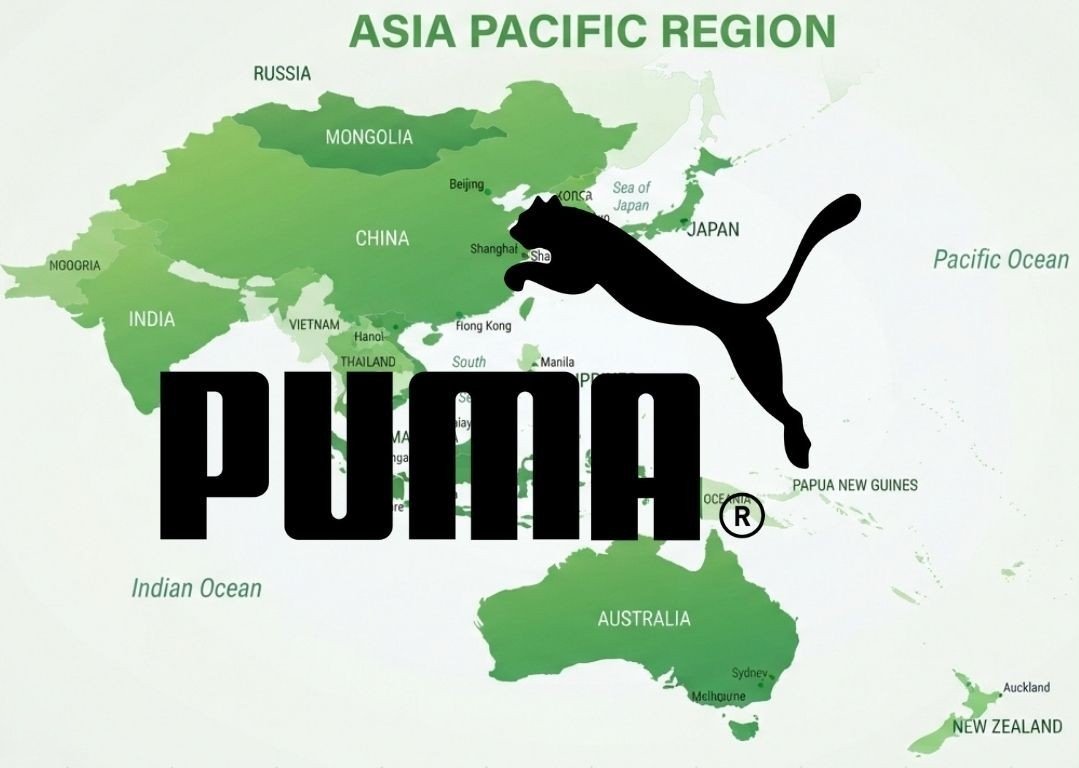
Geographically, Asia-Pacific is forecast to be the fastest-growing regional market, with a projected 7.30% CAGR between 2025 and 2030, while North America remains the largest market by value, accounting for 31.91% of the market in 2024.
The Asia-Pacific opportunity is being supported by rising sports investment, higher disposable incomes, grassroots development and expanding tennis participation. For international sportswear and accessories companies, this creates opportunities to localise product assortments, distribution and price points for a rapidly developing consumer base.
Digital retail reshapes the consumer journey
Distribution is another important change for sportswear and accessories. Offline retail stores accounted for 66.05% of the market in 2024, but online channels are forecast to grow at a 6.66% CAGR through 2030. Direct-to-consumer platforms, virtual fitting tools and personalised product recommendations are becoming increasingly relevant to sports consumers.
For tennis apparel and footwear in particular, digital platforms can support personalised sizing, product discovery and direct relationships between brands and players, while physical specialist stores continue to provide fitting, trial and expert advice.
Overall, the projected expansion of the tennis equipment market to $49.85 billion by 2030 points to a broader opportunity for the sportswear industry. Footwear growth, tennis-fashion crossover, premium accessories, smart training products and sustainable materials are widening the commercial scope of tennis beyond traditional hard equipment and reinforcing its position within the global performance-sports and active-lifestyle market.