
TCF POST Report
Adama, Ethiopia — September 15, 2026,— The International Labour Organization (ILO) is advancing leadership development and disability inclusion across Ethiopia’s Textile, Clothing and Footwear (TCF) industry, with a new training initiative designed to strengthen workplace leadership, communication and inclusion.
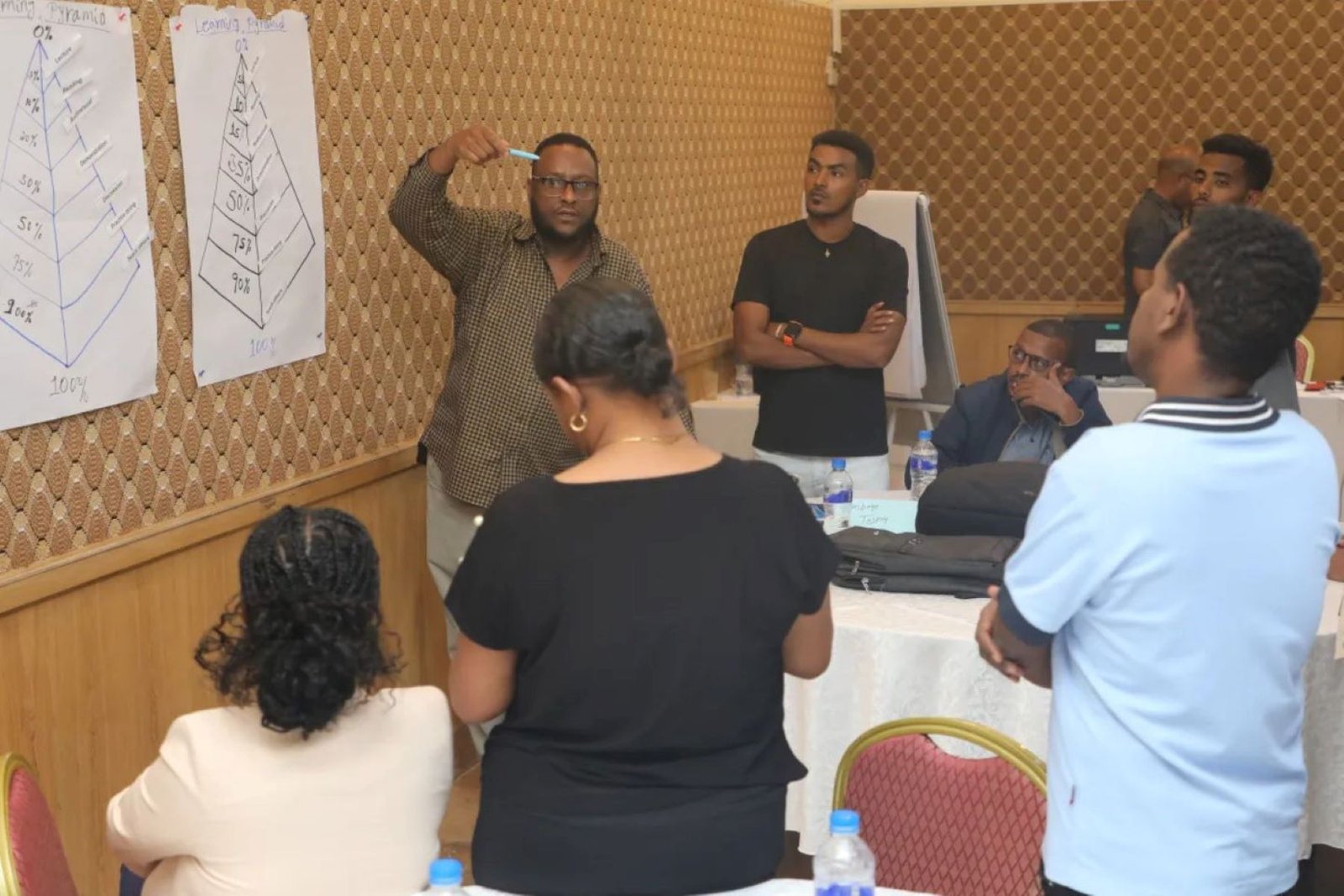
The initiative follows a three-day Training of Trainers (ToT) programme held in Adama from 7–9 September 2026, bringing together 23 SCORE trainers who will support the rollout of enterprise-level training for more than 650 managers, supervisors and workers, including workers with disabilities.
The programme is being implemented under the ILO’s project on strengthening climate-resilient textile, garment and leather industries in Ethiopia, with support from the Government of Japan.
Strengthening Leadership on the Factory Floor
The training focused on practical leadership challenges facing managers and supervisors in the TCF industry, including communication gaps, delegation, conflict management, production pressures and managing diverse teams.
Using workplace scenarios, role plays, case studies and group discussions, participants explored how stronger leadership and communication can contribute to more collaborative and productive workplaces.
The programme places particular emphasis on situational leadership, encouraging managers and supervisors to adapt their approach to the needs, capabilities and circumstances of their teams.
Disability Inclusion as Part of Workforce Development
Disability inclusion is a central element of the initiative.
As the trained SCORE trainers take the programme into TCF enterprises, workers with disabilities will be intentionally included in the training and workplace interventions. The approach focuses on identifying barriers to participation and promoting inclusive communication, reasonable accommodation and non-discrimination.
The ILO also emphasizes recognizing the skills and capabilities of workers with disabilities and ensuring that workplace responsibilities and opportunities are allocated fairly.
Taking Training into TCF Factories
The next phase will focus on applying the training directly within enterprises.
According to the ILO, the trainers will use practical, factory-based situations to strengthen skills including active listening, professional feedback, collaborative problem-solving and conflict management.
The programme also incorporates Kaizen principles and workplace approaches intended to support continuous improvement, employee participation and more inclusive production environments.
Building a More Resilient TCF Industry
The leadership initiative forms part of wider efforts to strengthen Ethiopia’s TCF sector through improvements in productivity, occupational safety and health, climate resilience and working conditions.
The ILO’s broader programme also addresses areas such as energy efficiency, climate-risk management and heat-stress prevention, linking workforce development with the industry's transition toward safer, greener and more resilient production.
With the Training of Trainers completed, the 23 SCORE trainers will now take the learning into enterprises, extending the programme to managers, supervisors and workers across Ethiopia’s TCF industry.
The initiative highlights the growing importance of leadership, worker participation and disability inclusion alongside productivity and sustainability in building a more resilient and competitive TCF industry.