TCF POST Report
ANTWERP, Belgium — The fourth ECOSYSTEX Conference, held from September 22–24 in Antwerp under the theme “Circular Textiles Beyond Recycling,” brought together European research, industry and innovation projects to examine how the textile value chain can move towards a broader circular-economy model.
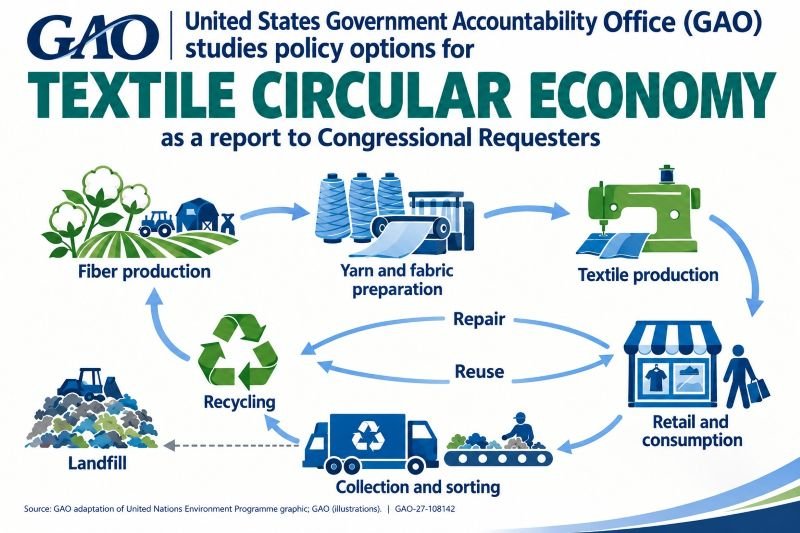
Hosted in partnership with the Universiteit Antwerpen, the conference addressed the full lifecycle of textiles, with discussions spanning circular design, sorting, repair, reuse, recycling, extended producer responsibility (EPR), digital product information and workforce skills.
A major focus on the second day was the launch of the TCLF Skills Observatory, presented by ECOSYSTEX and Skills4Circularity. The new platform is intended to monitor skills needs and trends across the textile, clothing, leather and footwear sectors. Developed through the ECOSYSTEX Skills & Education Working Group, co-led by CITEVE and EURATEX, the observatory is designed to reflect changing industry requirements.
Three parallel workshops examined key challenges across the circular value chain.
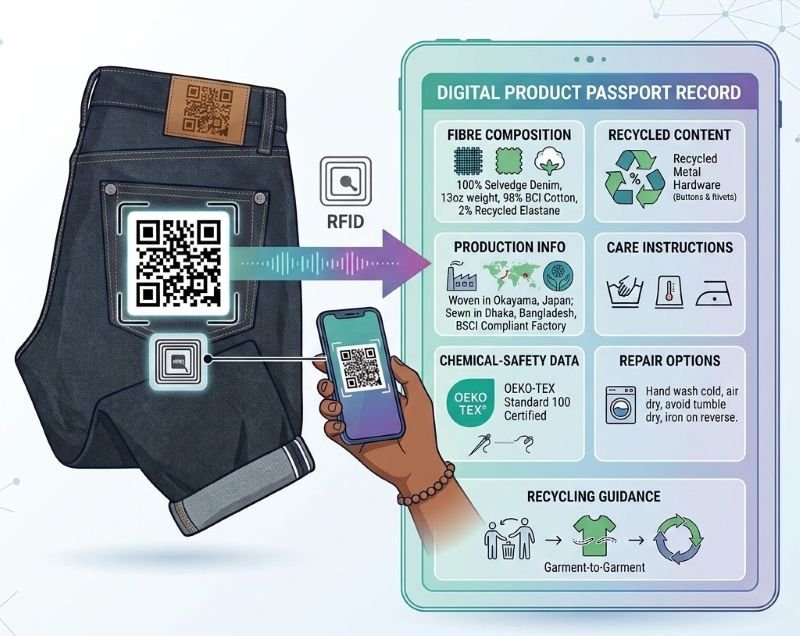
The Circula-TEX workshop explored design strategies, labelling and sorting, the five Rs and EPR, identifying gaps and potential solutions ranging from ecodesign incentives and tools to more structured Digital Product Passports (DPPs). Discussions also addressed downstream challenges involving repair, reuse and the competition between recycled and virgin fibres.
The CISUTAC workshop presented final results on recycling and higher-value circular strategies. Participants highlighted data, standards and Digital Product Passports as important enablers. While reuse and repair were identified as already delivering results, recycling continues to face technical and economic barriers, reinforcing the need for cooperation across the value chain.
Meanwhile, the Just Fashion EU Project workshop focused on developing a Fashion Industry Sustainability Index (FISI), a self-assessment tool for fashion micro, small and medium-sized enterprises. Experts discussed how environmental and socio-economic performance could be assessed and classified.
The conference also moved beyond presentations and workshops to demonstrate circular practices in operation. One group visited Kringwinkel Antwerpen, a social enterprise handling 1.5 million kg of textiles annually, where participants saw CISUTAC pilots covering garment repair, dismantling and enhanced sorting.
The repair atelier demonstrated a progression from basic zipper repairs to full garment restoration. A dismantling station focused on recovering aramid fibres from firefighter suits, while an enhanced sorting pilot targeted materials for reuse and recycling. The activities also demonstrated how circular textile operations can generate training and employment opportunities for people distant from the labour market.
A second group joined the MoMu – Fashion Museum Antwerp for a Fashion & Sustainability Walk, exploring Antwerp's fashion history through a sustainability perspective and examining how reuse, recycling and upcycling have influenced the city's fashion scene.
The conference brought together projects including CISUTAC, Circula-TEX, Solstice, FabriX and CRAFT-IT4SD, alongside wider networking and cross-sector exchanges. According to conference participants, ECOSYSTEX now connects 101 EU-funded projects, reflecting the scale of European activity around textile circularity and skills.
The programme also continued beyond the main conference, with the Textile ETP on Tour visiting Centexbel in Ghent and Resortecs in Brussels.
With its emphasis on repair, reuse, ecodesign, skills, measurement and higher-value circular strategies, ECOSYSTEX 2026 highlighted an industry transition in which recycling is one component of a wider circular textile system.