CPTPP, Market Access and Supply-Chain Measures Strengthen Canada–Viet Nam Outlook for Textile, Clothing and Footwear Trade
TCF POST Report
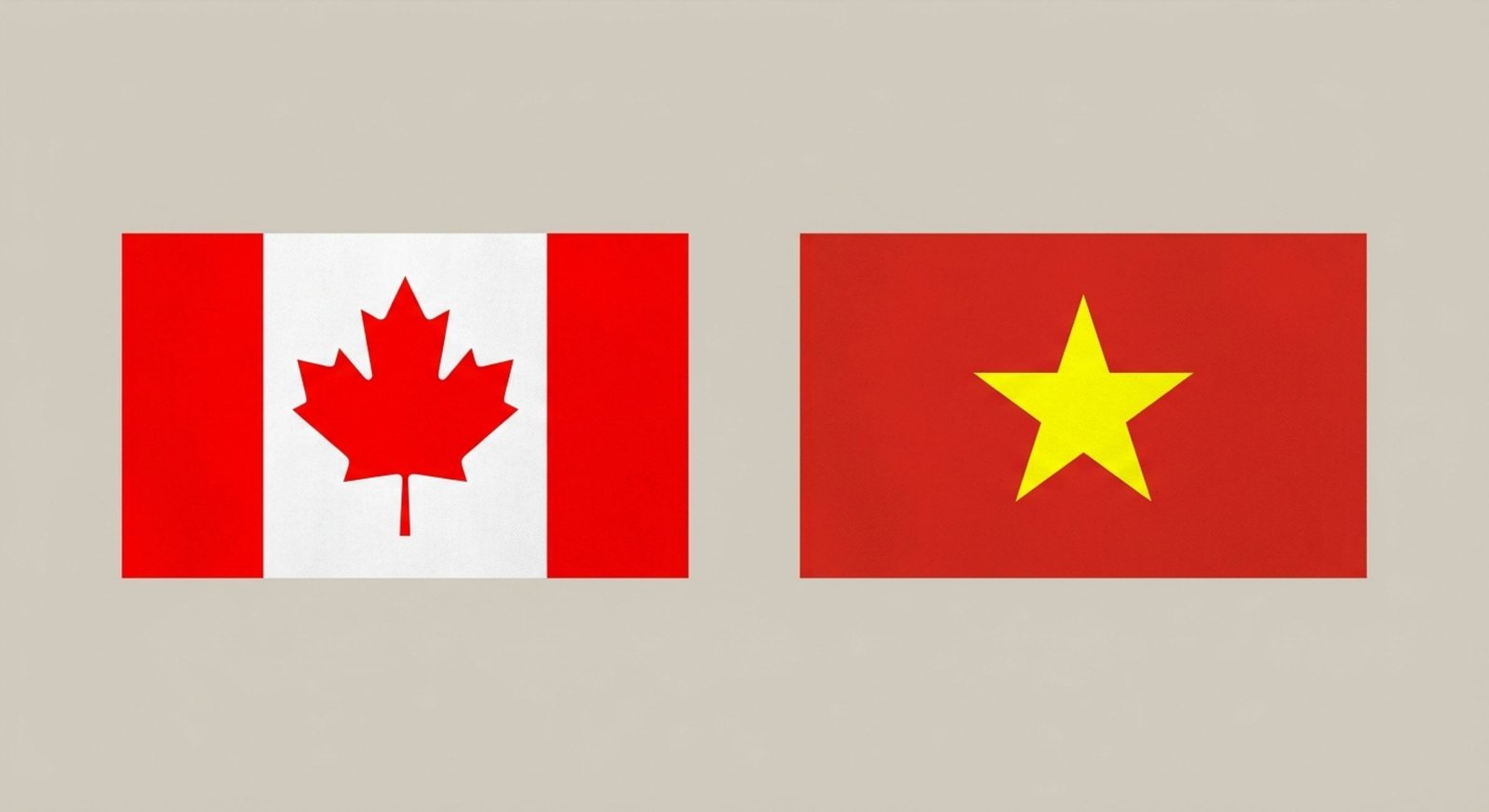
OTTAWA, Sept. 24, 2026 — Canada and Viet Nam have elevated bilateral relations to a Strategic Partnership, putting stronger trade, investment, transport connectivity and supply-chain cooperation at the centre of a new framework that could further strengthen commercial links for manufacturers and exporters, including the Textile, Clothing and Footwear sector.
The agreement was announced during Vietnamese General Secretary and President Tô Lâm’s state visit to Canada, where he met Canadian Prime Minister Mark Carney. The partnership is built around eight pillars, including trade and investment, transportation and supply chains, digital transformation, sustainable growth and advanced technologies.
For textile and clothing businesses, the trade provisions are particularly relevant. Canada and Viet Nam reaffirmed their commitment to implementing and modernising the Comprehensive and Progressive Agreement for Trans-Pacific Partnership (CPTPP), which has been a major framework for bilateral trade. The two governments also expressed support for concluding and implementing an ASEAN–Canada Free Trade Agreement as soon as possible.
The partners said they would work to remove market-access barriers, facilitate the movement of goods and services and help businesses deepen their integration into regional supply chains. They also reaffirmed commitments to internationally recognised labour rights, decent work and inclusive economic growth in line with relevant International Labour Organization standards.
The scale of the existing trade relationship gives the agreement additional significance. Canada’s government reports that two-way merchandise trade with Viet Nam reached C$15.7 billion in 2024, comprising C$14.7 billion of Canadian imports from Viet Nam and C$1.0 billion of Canadian exports. Viet Nam is Canada’s largest trading partner in ASEAN.
Trade accelerated further in 2025. Canadian imports from Viet Nam rose to C$19.3 billion, up 31% from C$14.7 billion in 2024, according to Global Affairs Canada. The increase was broad-based, with consumer goods among the major contributors.
Supply-chain cooperation is another important element for apparel and footwear sourcing. Canada and Viet Nam agreed to promote resilient, diversified and trusted maritime and aerospace supply chains, remove market-access barriers, facilitate growing trade volumes and maintain supply-chain continuity. The two sides also welcomed a new memorandum of understanding on maritime transport cooperation.
The statement also notes that September 2026 aviation consultations expanded air-service capacity and further liberalised route schedules under the Viet Nam–Canada Air Transport Agreement, enabling direct air services. For fashion and retail supply chains, greater transport connectivity could support faster and more flexible movement of commercially time-sensitive goods.
Digital transformation and sustainability are also embedded in the partnership. The two countries will explore cooperation in advanced technologies, innovation, secure digital ecosystems and data governance, while working together on energy transition, green shipping and low-carbon technologies.
The joint statement does not specifically identify textiles, clothing or footwear. Its significance for those industries instead comes from the broader trade architecture: improved market access, CPTPP cooperation, transport connectivity, supply-chain resilience, investment and labour standards. For Vietnamese manufacturers and Canadian buyers, these areas are directly relevant to the organisation of cross-border sourcing and production networks.
Both governments also welcomed efforts to increase two-way direct investment and to create favourable conditions for longer-term business operations, potentially supporting further development of Canada–Viet Nam commercial partnerships across manufacturing and supply-chain industries.