First commercial yarn shipment marks a move from scaled recombinant silk production toward real-world performance textile development
TCF POST Report
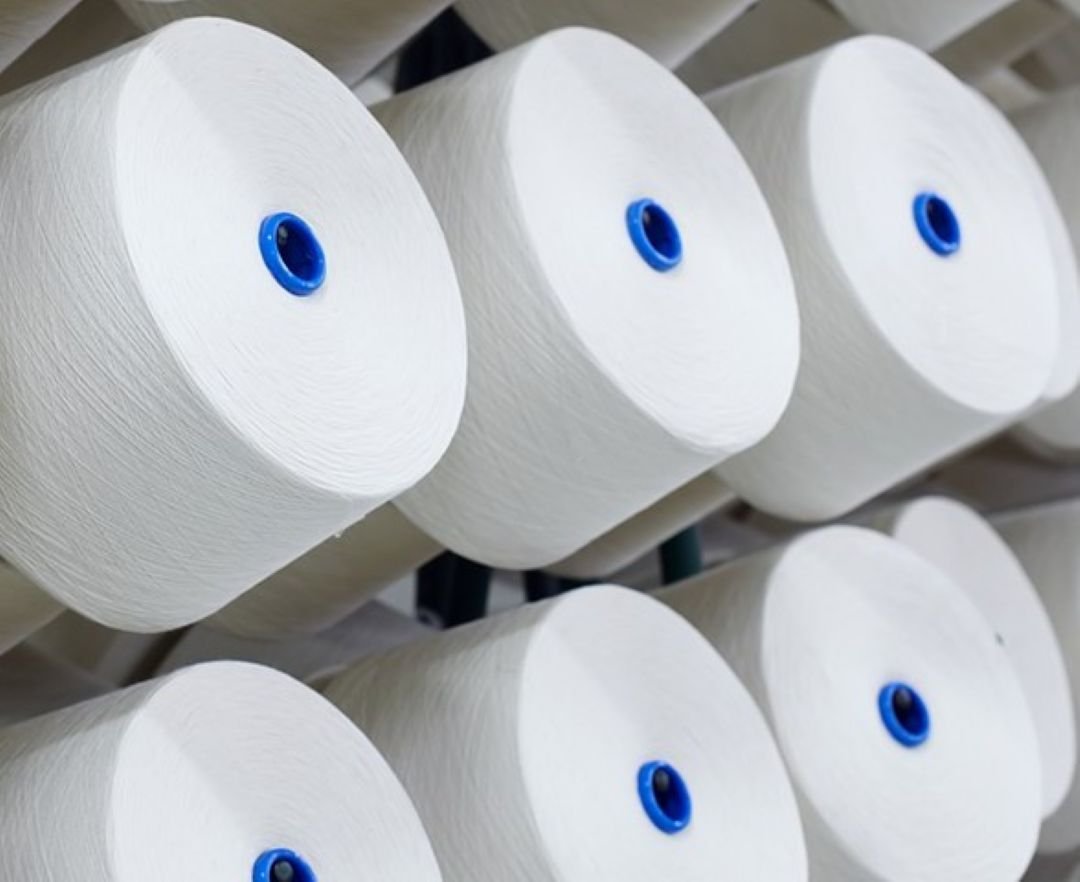
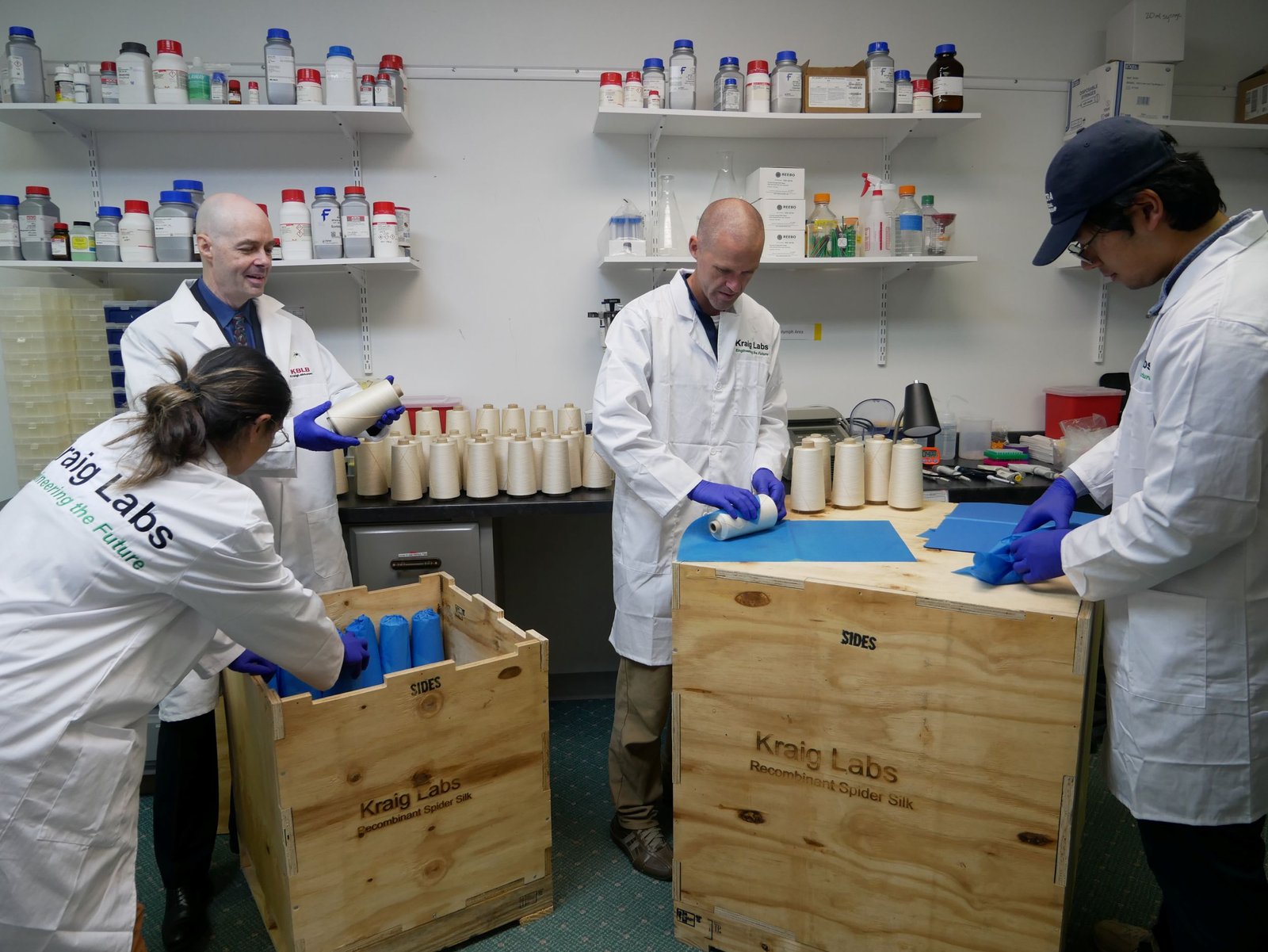
ANN ARBOR, Mich., Sept. 29, 2026 — Kraig Biocraft Laboratories has shipped its first commercial order of recombinant spider silk yarn to a globally recognized performance sports brand, marking a significant step in the company’s effort to move genetically engineered spider silk from production-scale development into commercial textile applications.
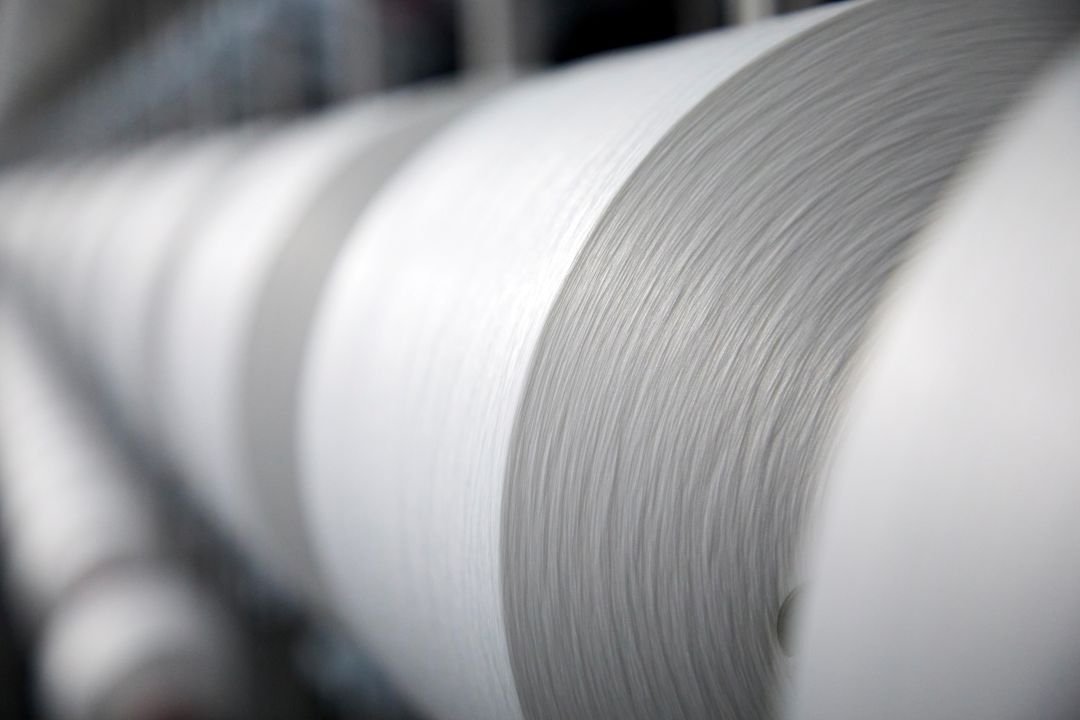
The custom-engineered yarn was produced to the customer’s specifications under a confidential pilot development programme targeting the performance sports segment. Kraig Labs said the yarn is intended for development into what it describes as a first-of-its-kind performance textile.
The shipment is commercially notable because the order is not simply a sample or laboratory material transfer. It represents a purchase commitment from a sports brand and the conversion of recombinant spider silk into yarn for downstream textile development.
At the same time, Kraig Labs acknowledged that the shipment is small. CEO and founder Kim Thompson said the volume was “small by design”, describing the project as a precision application rather than a bulk order.
“Strength, flexibility, toughness, and light weight” are among the properties Thompson said the company intends to demonstrate in demanding athletic applications.
From production scale to textile validation
The timing of the shipment follows a sharp increase in Kraig Labs’ reported spider silk production during 2026. In June, the company said a single production cycle produced nearly 2.5 metric tons of recombinant spider silk cocoons, its largest output at the time. Earlier in the year, it had reported production of more than 1.3 metric tons in a single month and subsequently said available cocoon inventory had reached nearly 1.8 metric tons.
The company’s February production plan had targeted output of up to 10 metric tons of recombinant spider silk cocoons per month, using genetically engineered silkworms incorporating spider silk proteins.
That progression is important for the textile sector. The challenge for emerging fibers is not only proving that a material can deliver attractive technical properties, but also demonstrating repeatable production, conversion into usable yarn and compatibility with industrial textile processes.
Kraig Labs’ latest shipment therefore shifts the commercial question from whether recombinant spider silk can be produced at increasing scale to whether brands can incorporate it into finished performance products that meet technical, quality and commercial requirements.
Performance sports becomes the test market
The company is positioning elite athletic applications as an initial proving ground because the segment places a premium on material performance rather than simply fiber cost.
Thompson said high-performance sport is where materials “prove themselves”, arguing that strength-to-weight performance and durability could make spider silk relevant to demanding applications.
For textile manufacturers, however, technical performance is only one part of the equation. Cost competitiveness, reliable volume, yarn processing, fabric construction, washing and finishing performance, supply consistency and eventual brand-scale availability will determine whether an advanced fiber can move beyond a pilot programme.
The identity of the sports brand has not been disclosed, and the pilot’s commercial terms and order volume remain confidential. That limits the immediate assessment of the shipment’s revenue contribution or its potential scale.
A tiny material in a huge fiber market
The broader market illustrates both the opportunity and the hurdle. Textile Exchange’s 2026 Materials Market Report estimates global fiber production reached a record 139 million tonnes in 2025, up from 132 million tonnes in 2024. Polyester accounted for 59%, or about 82.5 million tonnes, of global fiber production, with 88% of polyester production coming from virgin fossil-based sources.
Against that volume, even multi-tonne spider silk production remains minuscule. But the relevance of the material lies less in competing immediately with commodity polyester on volume and more in finding high-value applications where unusual mechanical properties could justify a premium.
This makes performance sports a logical commercial laboratory for Kraig Labs: a successful pilot could provide a route into specialist performance textiles before any attempt to compete at mass-market fiber volumes.
For now, the shipment should therefore be viewed as a commercial validation milestone rather than evidence of mass-market penetration. Kraig Labs itself describes the project as a pilot and says it intends the shipment to be the first of many.
The next test for the technology will be whether the yarn can translate its laboratory and production claims into measurable performance gains in finished textile products — and whether those gains are sufficient for brands to justify integrating an entirely new fiber into commercial supply chains.