Hong Kong fashion brand combines artist collaboration, heritage silk and contemporary design at China Institute Fashion Week
NEW YORK/HONG KONG, Sept. 30, 2026 — Hong Kong fashion brand ISABELLE.C brought its interpretation of Chinese intangible cultural heritage (ICH) to New York through a wearable-art presentation at China Institute Fashion Week (CIFW), positioning heritage textiles and contemporary art as central components of fashion design rather than decorative details.
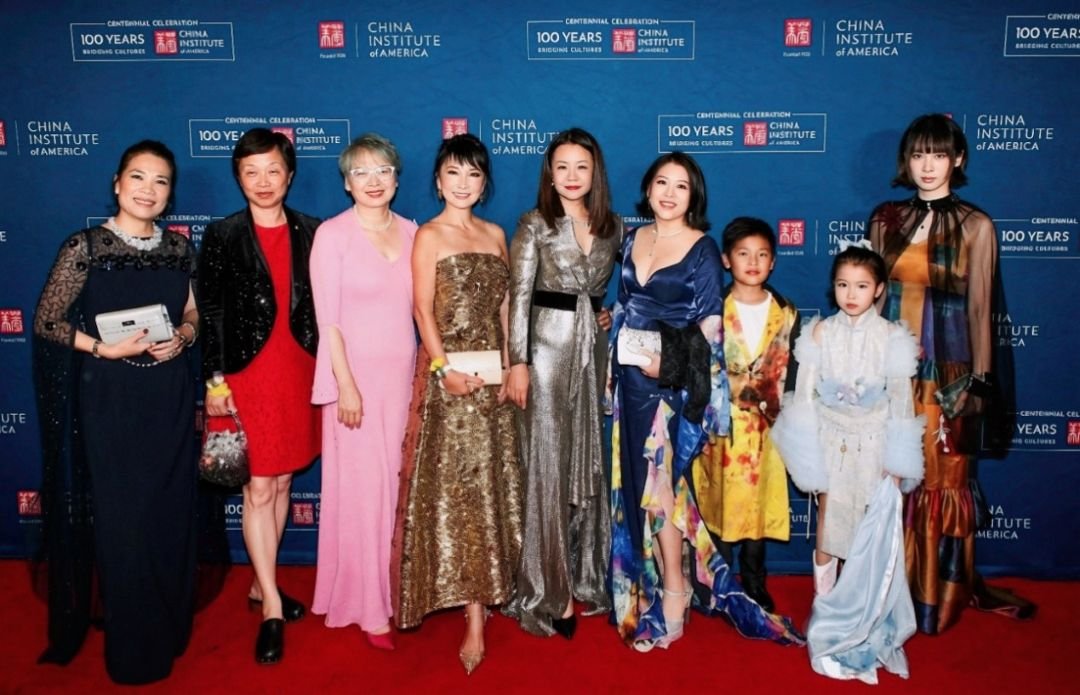
The brand was among the designers featured at China Institute Fashion Night on September 10, alongside WJX by Vanessa Ye, Sandriver and 人间烟火 by Amy Chu. The programme was staged at China Institute of America in Manhattan as part of CIFW, which presents Chinese fashion through a combination of heritage, craftsmanship, creativity and contemporary design.
At the centre of ISABELLE.C’s New York presentation was a collaboration with artist Zhao Zhijing, whose Galloping Steeds in a Prosperous Era · Joyful Steed Bearing Auspicious Omens was translated from painting into fashion. The collaboration uses Xiangyunsha, also known as gambiered Canton silk, and other silk fabrics associated with Chinese heritage as the surface for the artwork, applying printing and dyeing techniques to transfer the visual language of the paintings onto garments.
The result reflects ISABELLE.C’s stated “ART IS FASHION” approach: the artwork is integrated into the fabric and construction of the garment, rather than simply applied as an image or embellishment. The equine imagery combines red horses with a bird motif and draws on auspicious symbolism found in traditional Chinese ink painting.
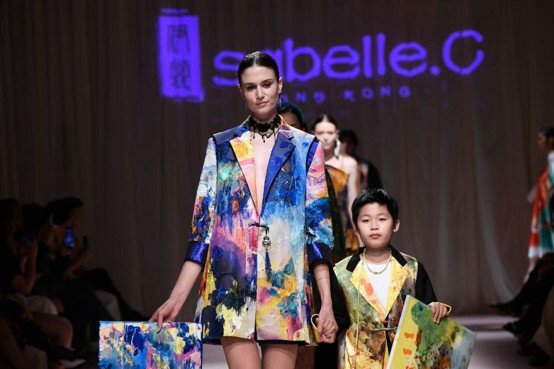
For the fashion industry, the collaboration illustrates a broader route for heritage-based brands seeking differentiation in international markets. Instead of treating traditional fabrics as a niche material story, ISABELLE.C is connecting textiles, visual art, craftsmanship and fashion design into a single product proposition. Its own design platform spans categories including qipaos and dresses, outerwear, trousers, bags and accessories, as well as kidswear and haute couture.
Heritage textiles become a design asset
ISABELLE.C’s heritage proposition extends beyond Xiangyunsha. Its Spring/Summer 2026 collection, Contour of Ethereal Weaves, was built around four heritage textile and craft directions: Kesi silk tapestry, Xiangyunsha, Chinese brocades, and traditional dyeing techniques, including tie-dye and soybean dyeing. The collection comprised 19 looks and used contemporary silhouettes to reinterpret traditional craftsmanship.
The brand has also experimented with vintage silk, embroidery, Mandarin collars and modern tailoring, showing how heritage techniques can be incorporated across both womenswear and menswear rather than being restricted to ceremonial Chinese dress. Its stated design philosophy is to move traditional craftsmanship into contemporary lifestyles through reinterpretation.
The New York appearance therefore forms part of a wider international development strategy for the Hong Kong label. In 2026, ISABELLE.C has appeared on platforms including Hong Kong CENTRESTAGE, Thailand Fashion Week and Hainan Youth International Fashion Week, while also presenting its work in art-focused settings.
From fashion showcase to cultural positioning
The China Institute platform adds another dimension to the brand’s international positioning. China Institute says its fashion programme is designed to connect heritage and craftsmanship with contemporary Chinese design and cultural exchange, while its September fashion programme included both a qipao-focused presentation and a broader contemporary-design fashion night.
For ISABELLE.C, this creates a setting in which the commercial value of fashion is closely linked with the cultural value of the materials and techniques behind the products. The brand’s previous presentations have similarly combined runway garments with opportunities for audiences to examine heritage fabrics and craftsmanship more closely.
The approach also reflects the continuing evolution of the “New Chinese” fashion proposition: rather than reproducing historical silhouettes, designers are increasingly translating traditional materials, imagery and techniques into international fashion vocabulary. ISABELLE.C’s New York presentation places that translation at the intersection of wearable art, silk craftsmanship and global fashion presentation.
For fashion companies working with cultural heritage, the model highlights the importance of turning craftsmanship into a contemporary product language. In ISABELLE.C’s case, the strategy links the provenance of Chinese textiles with artist collaborations and modern garment design, giving heritage materials a role in the visual identity and product proposition of an internationally oriented fashion brand.