NEW YORK: The United States remains the biggest luxury market in the Americas, but the way brands grow there is changing. A new Euromonitor International analysis says luxury is moving away from selling more to more people and toward being relevant to the right customers.
A market of scale
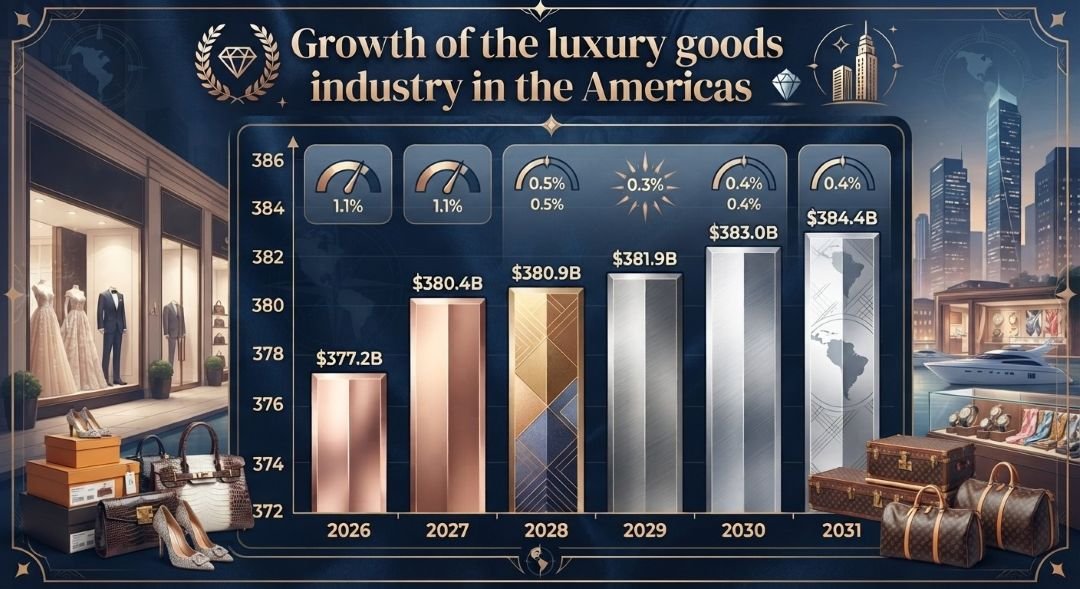
The U.S. luxury market is worth about $309 billion, more than 80% of the Americas' projected $377 billion total for 2026. That makes it the world's second-largest luxury market behind China, and the largest wealth market anywhere. Euromonitor says this gives the U.S. an outsized influence on where the industry goes next.
Growth in the U.S. is also becoming less tied to physical expansion. Opening more stores is no longer the main route to higher sales.
Shoppers get choosier
The regional market is projected to grow 14% from 2021 to 2026. Beneath that resilience, American consumers are scrutinizing what they buy. They increasingly question whether a product justifies its price tag.
Euromonitor points to several pressures:
◆ Geopolitical uncertainty and cost-of-living worries are pushing shoppers toward quality over quantity.
◆ Climate concerns are making ethical considerations more important.
◆ Craftsmanship, authenticity and durability carry more weight as buyers become more value-conscious.
Consumers are not abandoning premium spending. They are being more selective about what deserves a premium.
Experiences compete with products
Luxury is increasingly judged by the emotional value it creates as well as by the item itself. Travel, wellness, hospitality, gastronomy and cultural experiences now compete directly with traditional luxury goods for discretionary spending.
Experiences make up only about 9% of U.S. luxury sales, however. In Mexico, they account for 43%, so the shift toward experiences has more room to run in the U.S. than in its southern neighbor.
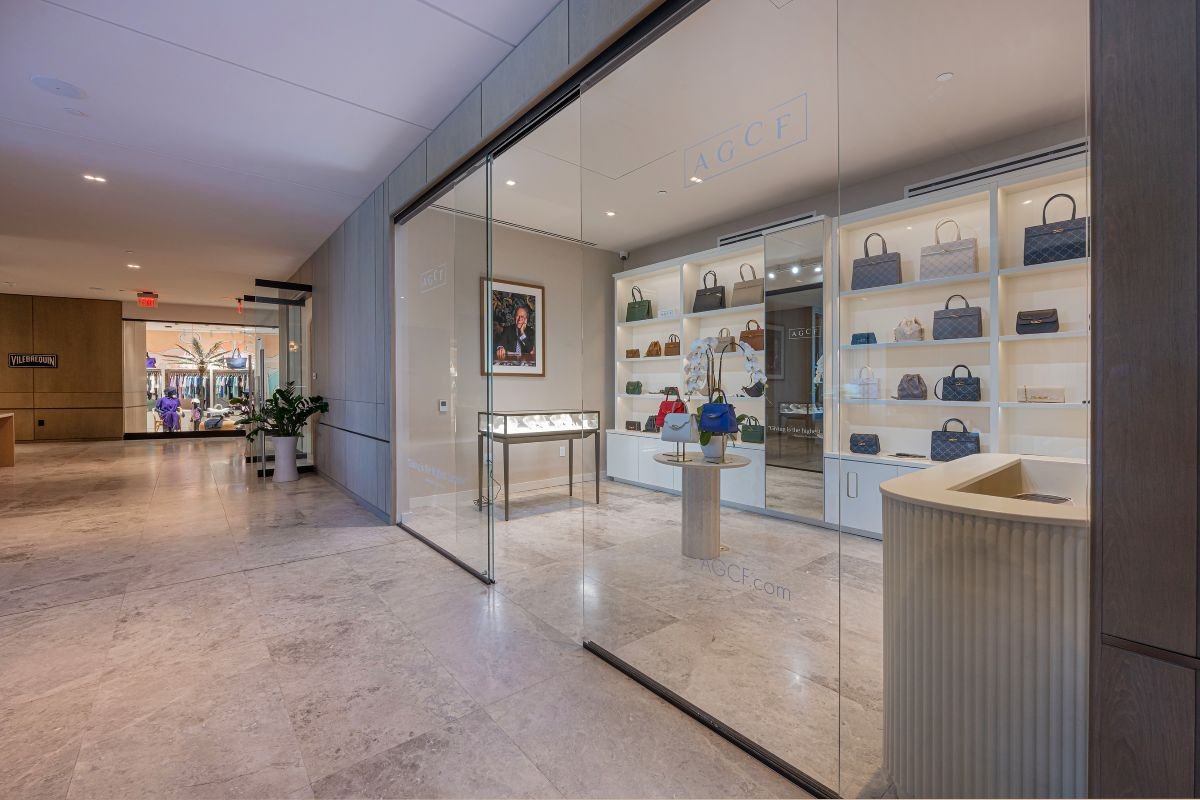
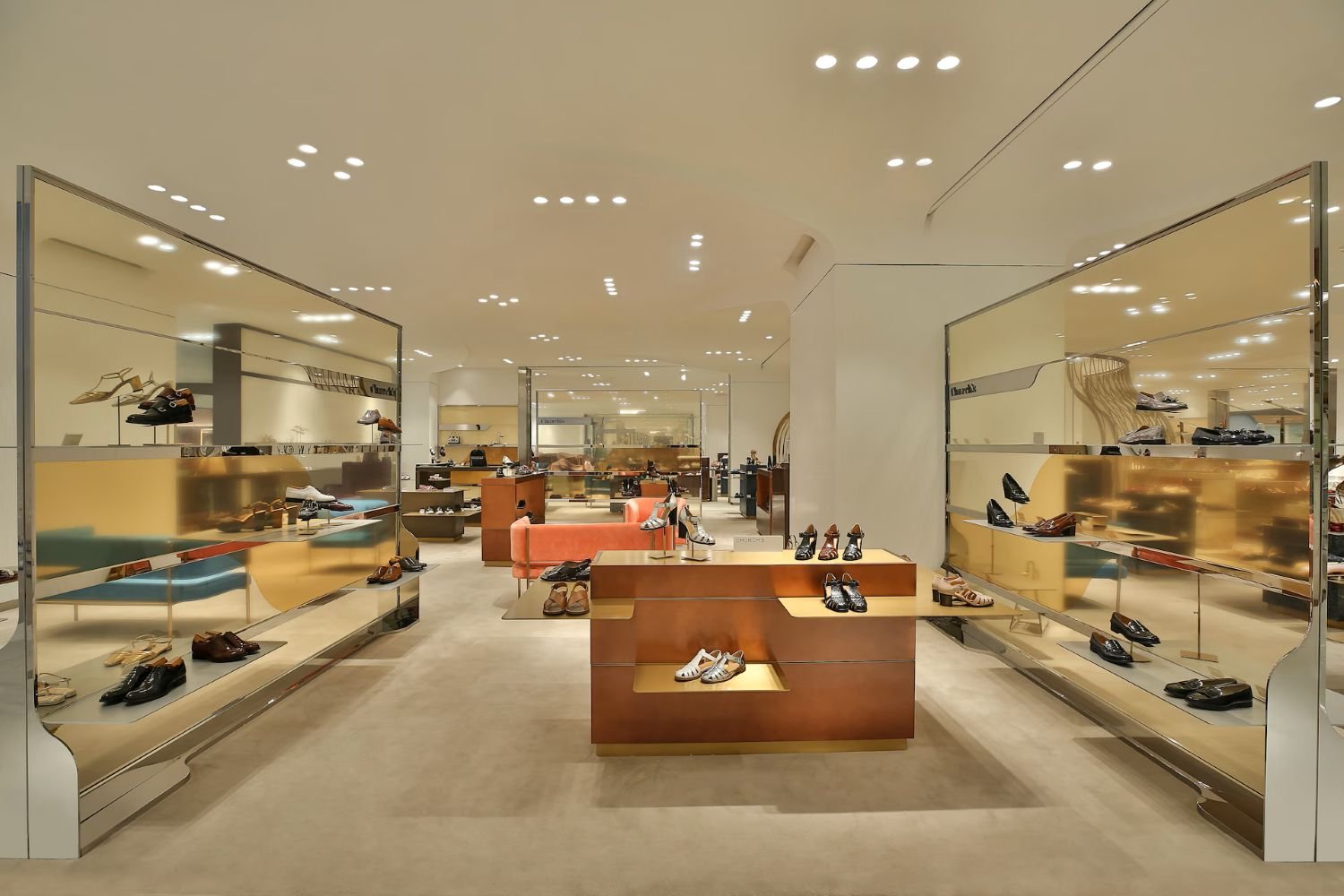
Retail is already adapting. Stores are becoming lifestyle and cultural destinations that combine shopping with dining, art, wellness and community. Euromonitor cites the luxury lifestyle ecosystem at Aspen Snowmass as one American example of brands building deeper connections than a one-off sale.
Discovery goes digital
Digital change is accelerating the shift. E-commerce still matters, but brands are now competing for attention before a shopper has decided to buy. AI tools, social platforms and online communities increasingly shape how consumers discover brands, judge products and decide what is relevant.
Outlook
The analysis expects four forces to shape U.S. and regional luxury: selectivity, experience, technology and belonging. Winners will build experiences, communities and ecosystems that customers want to join, as well as products they want to own.
Looking further out, the chart you supplied projects the Americas market growing gradually from $377.2 billion in 2026 to $384.4 billion in 2031. That suggests steady but modest expansion, consistent with the report's view that growth now comes from deeper relevance rather than volume.