Key figures
▪ Cotton yarn: 543,700 tonnes (+50.9%)
▪ Cotton fabric: 74.7 million sq m (+18.2%)
▪ Knitted fabric: 56,600 tonnes (+5.2%)
▪ Knitted underwear: 96 million units (+43.4%)
▪ Knitted outerwear: 35.1 million units (-9.5%)
TCF POST Report
Tashkent: Uzbekistan's textile and clothing producers posted strong gains in the first eight months of 2026, led by a surge in cotton yarn, though knitted outerwear bucked the trend, the National Statistics Committee said.
Yarn leads the upswing
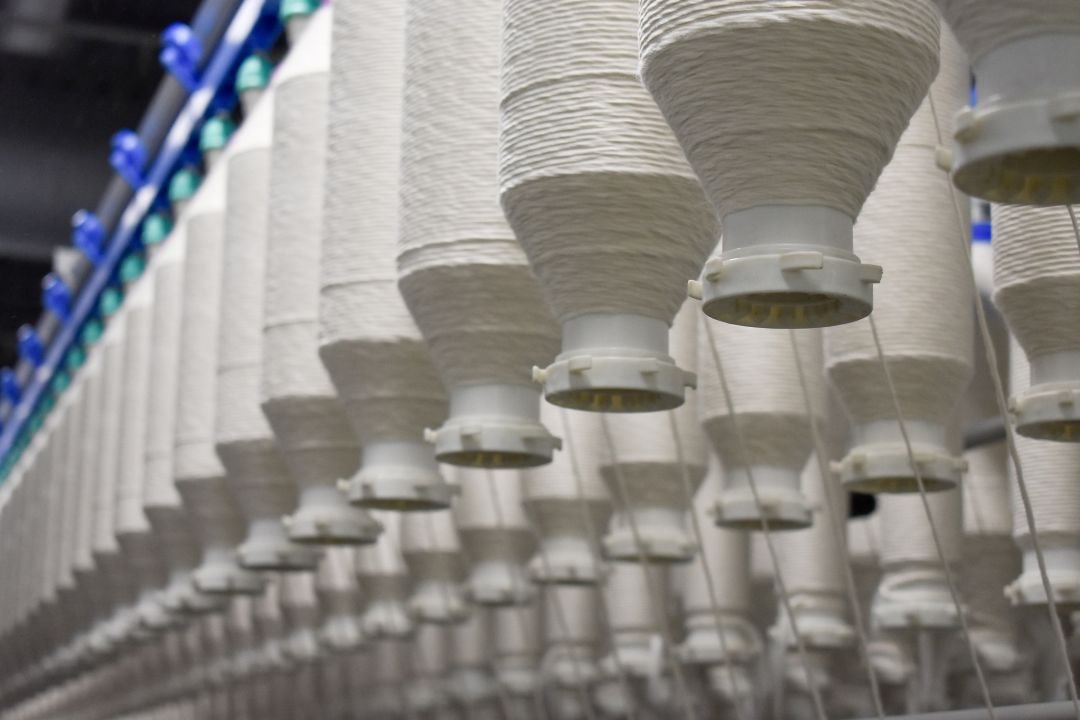
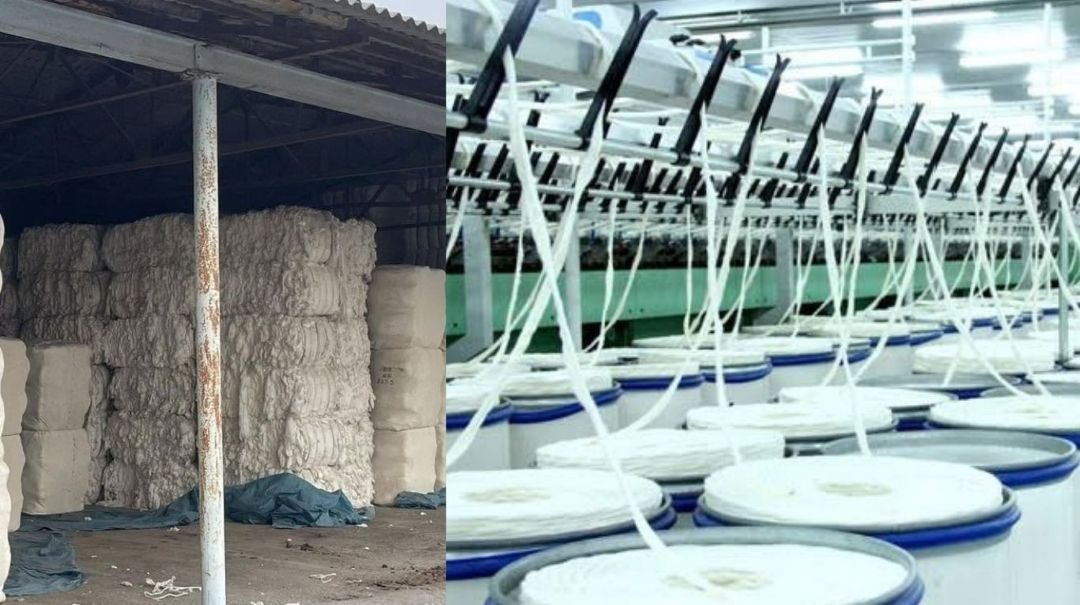
Cotton yarn production rose 50.9% year on year to 543,700 tonnes in January-August. Cotton fabric output grew 18.2% to 74.7 million square metres, and knitted fabric production increased 5.2% to 56,600 tonnes.
Garment-side results were mixed. Knitted underwear output climbed 43.4% to 96 million units, but knitted outerwear fell 9.5% to 35.1 million units.
Sector's weight in the economy
Textiles, clothing and leather goods accounted for 11.9% of manufacturing output, making them the second-largest manufacturing group after food, beverages and tobacco (20.1%). Manufacturing as a whole produced 805.7 trillion soums, or 87% of total industrial output, and grew 9.1%.
Total industrial production reached 926.5 trillion soums, up 8% year on year.
Enterprise base
As of 1 September 2026, Uzbekistan had 65,300 industrial enterprises. Clothing producers numbered 6,700, or 10.3% of the total, making them the third-largest group after food producers (13,200) and manufacturers of non-metallic mineral products (9,200)—another 4,000 enterprises produced textiles.
Regional picture
Jizzakh region recorded the fastest industrial growth at 13.2%, followed by Samarkand region (9.4%) and Andijan region (9.1%). Navoi region and Karakalpakstan posted the slowest growth, at 7.2% each. By volume, Navoi region led with 205.7 trillion soums, followed by the city of Tashkent (158.4 trillion) and Tashkent region (147.7 trillion).
Industrial output per capita averaged 24.1 million soums nationwide, up from 17.5 million a year earlier, a 6.1% increase in comparable terms.
Wider context
Elsewhere in industry, passenger car production rose 9.2% to 310,400 units and electricity generation grew 7.3% to 60.5 billion kWh. Natural gas output fell 16.3% to 24.2 billion cubic metres, a notable shift in the energy supply backdrop for energy-intensive processing.