Apparel manufacturing employment falls 9.3% year-on-year while textile mills also contract; TCF-related retail employment remains broadly stable
TCF POST Analysis
The U.S. labor market showed limited momentum in September 2026, with nonfarm payroll employment rising by only 29,000 and the unemployment rate edging up to 4.2%, according to the U.S. Bureau of Labor Statistics (BLS). Employment across all major industries changed little during the month, pointing to a slower and more cautious U.S. economic environment for businesses linked to consumer demand.
The September figures are particularly relevant for the textile, clothing, and footwear industry because employment in several upstream manufacturing segments weakened even as employment in clothing, shoe and jewelry retail remained broadly stable.
Apparel manufacturing under pressure
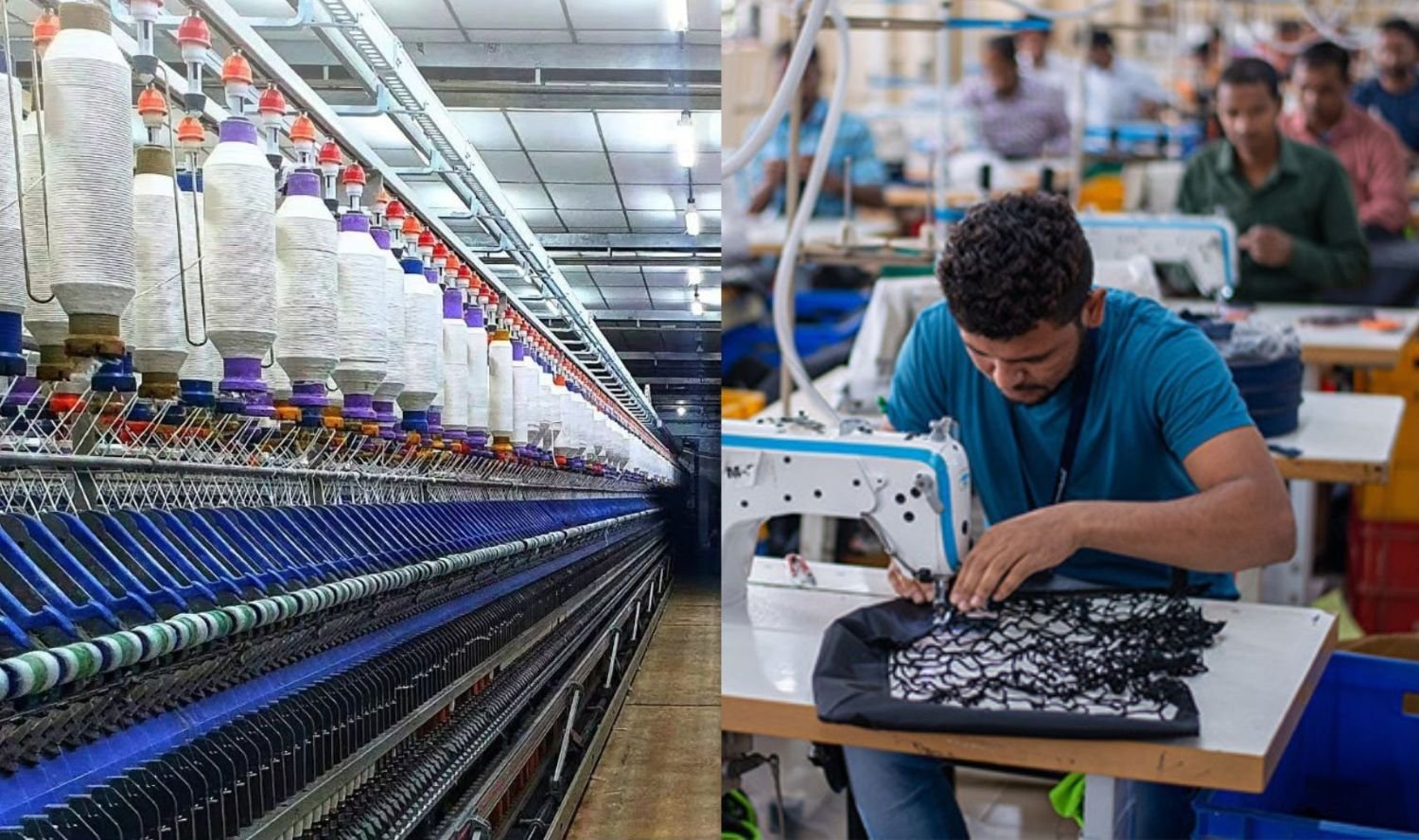
Seasonally adjusted employment in apparel manufacturing fell to 71,400 in September 2026, down from 72,000 in August and 78,700 a year earlier. That represents a decline of about 9.3% year-on-year and a further 600-job reduction during September.
Employment in textile mills declined to 78,100, compared with 78,300 in August and 82,100 in September 2025, a decrease of about 4.9% year-on-year.
By contrast, textile product mills increased employment slightly to 93,700, from 93,600 in August and 92,500 a year earlier, giving the segment a modest 1.3% year-on-year increase.
The data also show employment of 343,700 in the combined beverage, tobacco, and leather and allied product manufacturing category, virtually unchanged from August but below 349,200 a year earlier. Because BLS combines leather and allied products with beverage and tobacco manufacturing in this published series, the release does not provide a stand-alone footwear-manufacturing employment figure.
The contrast within the TCF manufacturing chain is significant: textile product mills are holding up relatively well, while textile mills and especially apparel manufacturing are losing employment.
TCF retail holds ground
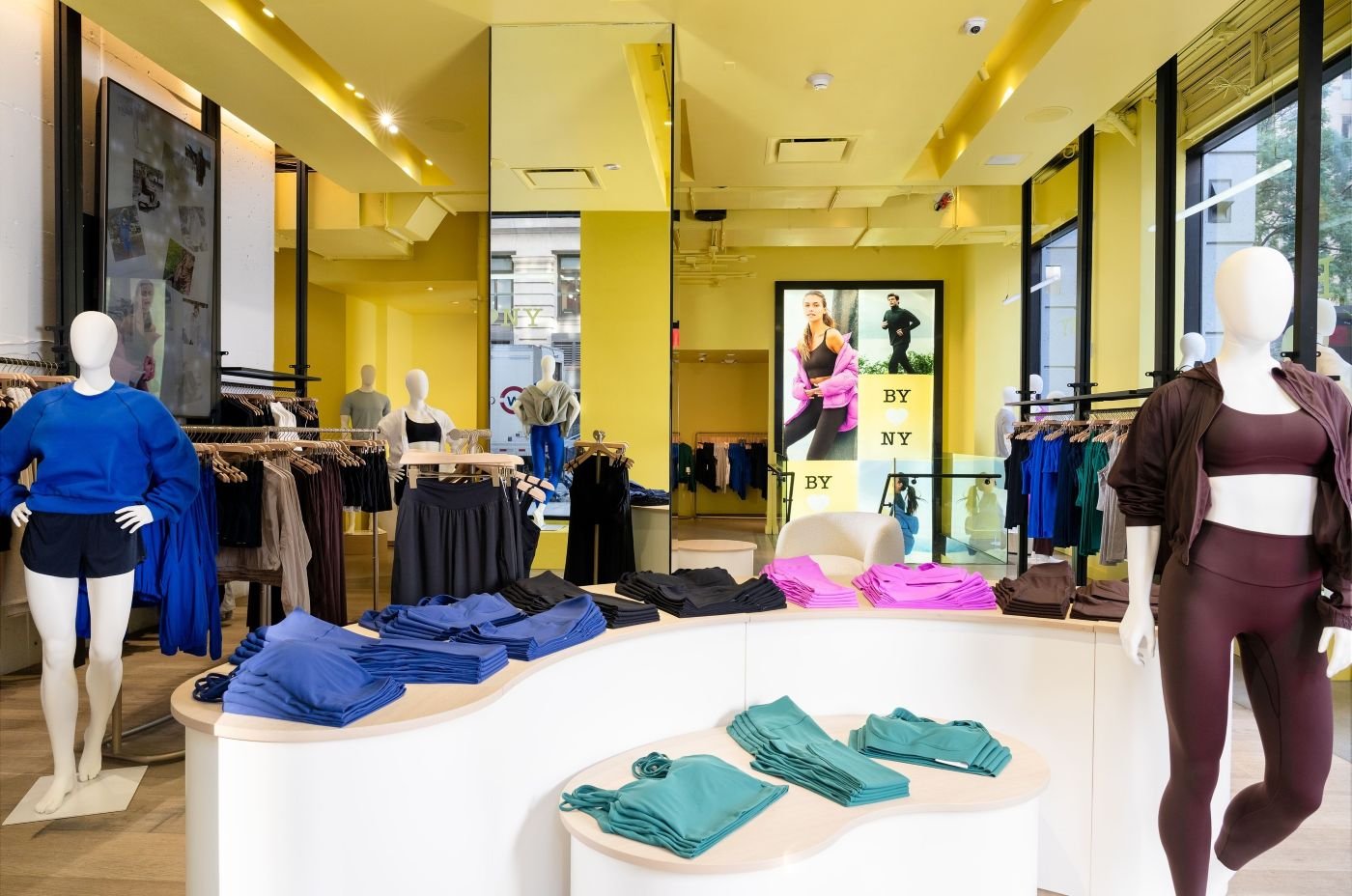
On the consumer-facing side, employment in clothing, clothing accessories, shoe, and jewelry retailers reached 1.153 million in September, up from 1.152 million in August and 1.150 million a year earlier. The September increase was modest at 600 jobs, while employment was approximately 0.2% higher year-on-year.
That stability is notable because overall U.S. retail employment also changed little in September. The broader retail sector added 5,800 jobs during the month, while transportation and warehousing employment increased by 7,600.
For fashion and footwear retailers, the figures therefore do not point to an immediate collapse in labor demand. Instead, the more pronounced weakness is visible in domestic manufacturing.
Slower labor-market momentum
The wider employment picture is less encouraging. Total nonfarm payrolls increased by just 29,000 in September, compared with an average monthly gain of 45,000 over the previous 12 months. Manufacturing employment rose by 9,000, but the BLS also revised July employment down by 31,000 and August by 29,000, leaving the two months combined 60,000 below earlier estimates.
At the same time, the unemployment rate rose to 4.2%, while the labor-force participation rate increased to 61.8%. The number of unemployed people stood at 7.1 million.
Wage growth remained positive. Average hourly earnings for all private nonfarm employees rose 3.0% over the previous 12 months, reaching $37.81 in September. Average hourly earnings in manufacturing were $36.92, while retail-sector earnings were $26.38.
Possible impacts on the TCF industry
1. Greater pressure on U.S. apparel sourcing and manufacturing.
The 9.3% year-on-year decline in apparel manufacturing employment suggests that U.S.-based clothing production remains under pressure. For international suppliers, this could reinforce the importance of imported finished garments and offshore sourcing, although the employment data alone cannot identify the precise causes.
2. More cautious wholesale and sourcing decisions.
The combination of weak payroll growth, downward revisions and a 4.2% unemployment rate points to a slower labor market. Apparel and footwear brands may respond through tighter inventory management, shorter production commitments and greater emphasis on flexibility rather than simply expanding order volumes.
3. Retail demand appears more resilient than manufacturing.
Employment in clothing, shoe and jewelry retail has remained comparatively stable. This could indicate that retailers are maintaining store and sales capacity even as manufacturers reduce employment. However, employment should not be treated as a direct measure of clothing or footwear sales.
4. Wage growth keeps the consumer side supported, but raises cost pressure.
With private-sector hourly earnings up 3.0% over the year, household earning power continues to receive some support. For retailers, that can provide a degree of resilience in discretionary categories such as clothing and footwear. At the same time, wage increases add to operating costs for U.S. manufacturers, retailers, logistics providers and other parts of the TCF value chain.
5. The supply chain may become more polarized.
The divergence between declining textile mills and apparel manufacturing and slightly stronger textile product mills suggests that not all parts of the domestic TCF chain are moving together. Companies may increasingly prioritize the segments with stronger utilization or demand while keeping finished-goods sourcing geographically diversified.
6. Footwear should be watched through retail rather than manufacturing data in this release.
The September report groups footwear with clothing accessories and jewelry in its retail employment category and does not provide a separate footwear-manufacturing employment series in the figures reviewed. Any conclusion about footwear manufacturing performance would therefore go beyond what this release directly supports.
The September employment report presents a cooling but not collapsing U.S. consumer and labor environment for the textile, clothing and footwear industry. The most immediate warning signal is the continued decline in U.S. apparel-manufacturing employment, alongside weaker textile-mill employment.
For international textile and garment exporters, the picture is mixed: U.S. retail employment in clothing and footwear remains stable, but softer overall employment growth could make brands increasingly selective about volumes, pricing and inventory commitments. The resulting environment is likely to favor suppliers that can combine competitive costs with shorter lead times, product flexibility and reliable delivery.
The key issue for the coming months will be whether relatively stable fashion retail employment translates into sustained merchandise demand—or whether a weaker U.S. labor market eventually feeds through into consumer spending and, subsequently, sourcing orders.