ARC launches in Accra's Kantamanto Market to test whether EPR funding can follow secondhand garments across borders
TCF POST Report
H&M Group, Inditex, BESTSELLER and adidas launched the Apparel Recovery Coalition (ARC) on October 2 at Kantamanto Market in Accra, Ghana. They worked with The Or Foundation, with Circle Economy as independent facilitator. ARC's own site lists The Or Foundation as a co-founder.
The gap ARC targets. EPR schemes are mostly tied to the markets where garments are first sold, but used textiles cross borders. ARC says that means support lands in one market while the impacts pile up in another. It wants to explore how producer contributions could better reflect where post-consumer textiles actually go.
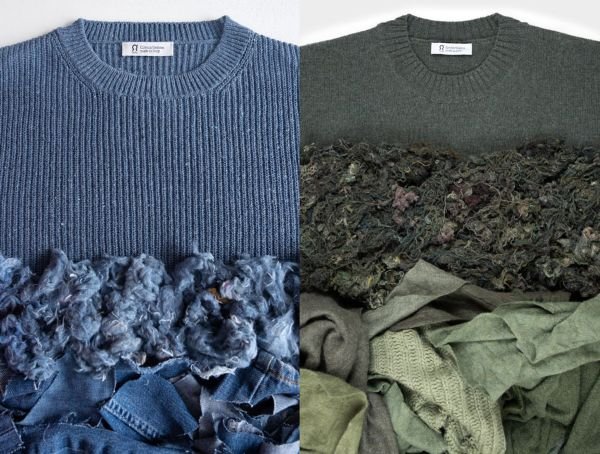
Why Kantamanto. The market is a major hub for reuse, repair and upcycling, recirculating about 25 million garments a month and supporting tens of thousands of workers, according to the coalition. The launch was staged in the market itself, under canopies and on a podium made from upcycled and waste-textile materials by The Or Foundation. The market was also hit by a major fire in January, so the launch arrives amid calls for the industry to contribute.
What ARC says it will do:
◆ Test how funding linked to textile flows can strengthen collection, sorting, reuse and recycling, starting in Ghana
◆ Try more inclusive governance that brings affected communities into decisions
◆ Produce lessons for brands, PROs and policymakers working on textile EPR
The first demonstration project builds on The Or Foundation's roughly 15 years of work in Ghana, including infrastructure improvements at Kantamanto, environmental remediation and training.
What to watch. The materials I reviewed give no funding amounts, contribution formula, governance structure or timeline. ARC frames its work as exploration, not a fund, so the key questions are how much money moves, on what basis, and who controls it. Community influence over spending will test its credibility. Its scope is also narrow: four brands, one market, with other organisations invited to join. If the Ghana pilot yields a workable model, it could shape how future textile EPR rules treat exports.