TCF POST News Analysis
The World Bank Group says it is helping close India’s $333 billion small-business financing gap by bringing in private investors alongside its own lending. The Bank Group reports that the approach is reaching small suppliers, including many garment and textile units. The figures come from the World Bank's latest feature.
Private capital mobilized in India with Bank Group involvement grew nearly fivefold in four years. It rose from about $3 billion in the 2022 fiscal year to $14.5 billion in fiscal 2026, and has unlocked a cumulative $36 billion across sectors. Some $9.6 billion of the private financing has gone to micro, small and medium enterprises (MSMEs) since 2022. The Bank Group says it has invested more than $3.5 billion to test new credit structures over that period and mobilized more than $8.5 billion for MSMEs. The story does not explain how the $8.5 billion and $9.6 billion figures relate.
A sector built on thin margins
India has 63 million MSMEs. They contribute about 30 percent of GDP and more than 40 percent of exports, and they employ over 390 million people. Banks often turn them away because they lack collateral or formal credit histories.
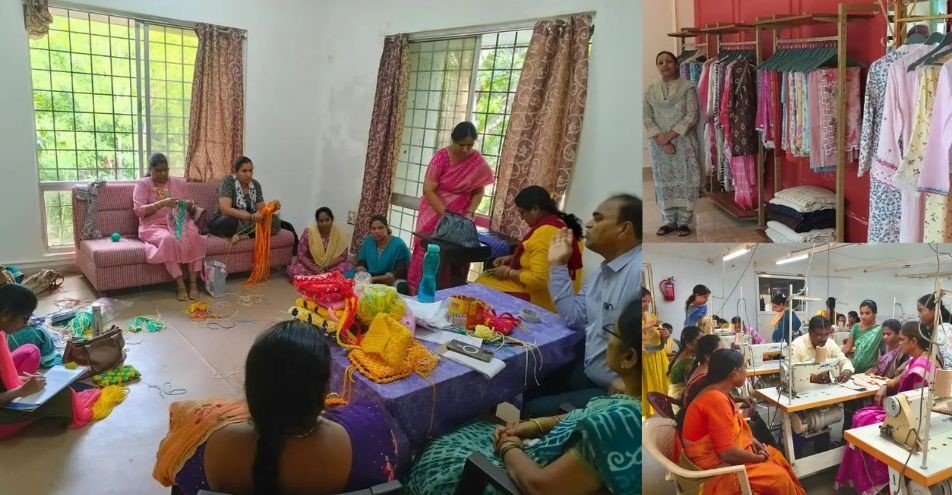
The World Bank’s one apparel example is Balpreet Aulakh, who founded a stitching and embroidery business in Punjab in 2019. After the pandemic, demand rose and operating costs climbed, and she needed a loan to pay workers and fill orders. Banks declined her, according to the feature. Shriram Finance, a non-bank lender, eventually extended the financing. “I feel empowered and happy to inspire other women,” she said.
Faster cash for suppliers
Much of the work runs through the government’s Raising and Accelerating MSME Performance (RAMP) program, supported by the World Bank. It expanded the Trade Receivables Discounting System (TReDS), a digital platform that turns unpaid invoices into cash. More than 250,000 MSMEs now have easier access to financing through the platform, and 30 non-bank lenders have joined it.
Delayed buyer payments are a familiar strain for suppliers in garments and textiles. The feature’s only user testimonial on the platform came from an Odisha electrical-equipment maker, Alfa Transformers, whose chief financial officer said the facility sped up receivables and eased cash-flow pressure. The feature offers no textile-specific results.
Credit funds and guarantees
On the investment side, the Bank Group has partnered with Shriram Finance, Aditya Birla Capital, Ascertis Credit and HDFC Asset Management Company. HDFC AMC chief executive Navneet Munot said the fund provides growth credit, long-term working capital and acquisition finance that traditional lenders often do not supply. He said the World Bank Group’s anchor investment gave the fund credibility and drew in family offices, insurers and other investors.
Policy changes target specific groups of borrowers:
▸ Credit guarantees for women-owned businesses rose from 14 percent to 18 percent in two years, mobilizing more than $1 billion.
▸ India’s first Green MSME Guarantee Fund, launched in late 2023, is set to channel $40 million in green and circular-economy investment to more than 4,000 firms.
▸ In Andhra Pradesh, formal MSME registrations grew from 0.9 million to more than 2.3 million in two years.
The Bank Group’s stated goal is easier finance access for at least 27 million MSMEs, including at least 12 million women-owned enterprises.
What it could mean for textiles
The feature does not break down financing by sector, so the effect on apparel and textiles is not yet measurable. Three developments are worth tracking:
▸ Receivables finance: Whether TReDS adoption spreads from the engineering suppliers in the feature’s examples to garment and textile suppliers.
▸ Women-led firms: Whether higher guarantee coverage reaches the many women who work in stitching, embroidery and craft production.
▸ Green finance: Whether the $40 million fund supports upgrades at mills and processors, such as water, energy and waste reduction.
Mr. Munot’s HDFC fund and the other lenders have not disclosed how much they lend to textile firms. The results cited come from the World Bank itself and have not been independently verified.