South Korean startup secures follow-on projects in Vision AI and robotic automation after achieving up to 99.7% defect detection in footwear inspection.
TCF POST Report
JAKARTA, Indonesia — South Korean generative AI startup Genon has secured follow-on contracts for footwear manufacturing automation in Indonesia after its Vision AI inspection technology passed mass-production validation for Nike, strengthening its overseas expansion prospects.
Genon reported defect-detection rates of 99.7% and 99.2% across two footwear styles, clearing Nike Footwear’s final validation. The system uses high-resolution industrial cameras and specialised lighting to identify outsole defects and grade products against specific quality standards.
The company plans to begin developing the mass-production model before the end of 2026, with deployment scheduled to start in 2027. It also secured a separate Vision AI project to identify micro-defects in stitched and bonded shoe-upper areas, with inspection capabilities expected to expand to midsoles and finished products.
Genon has additionally won a Physical AI contract to automate repetitive outsole-pressing operations using collaborative robots and vision cameras. The system will combine robot control with AI-generated movements and operator demonstrations to improve production efficiency and support round-the-clock operations.
Through its Indonesian subsidiary, PT Genon Global Indonesia, established in 2026 under President and Managing Director Tae Ryong Kim, the company is targeting profitability in its first year.
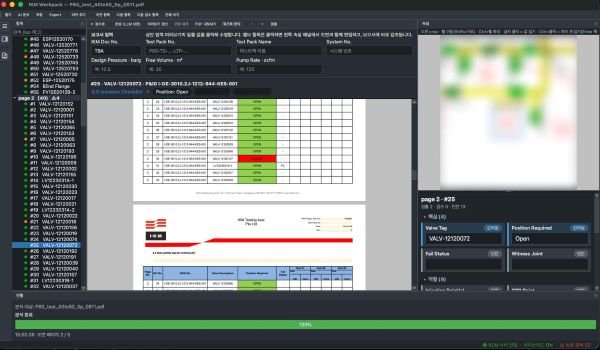
Beyond footwear, Genon is exploring manufacturing automation opportunities in shipbuilding and offshore engineering. It is developing an AI solution for global offshore engineering firm IKM Group to analyse vessel-related documents and automatically generate work-plan reports.
“Competitiveness depends not only on technical accuracy but on understanding real production environments and on-site deployment capability,” said Seok Tae Ko, CEO of Genon, adding that the company would deepen local partnerships and strengthen execution from development through commercialisation.