TCT POST Report
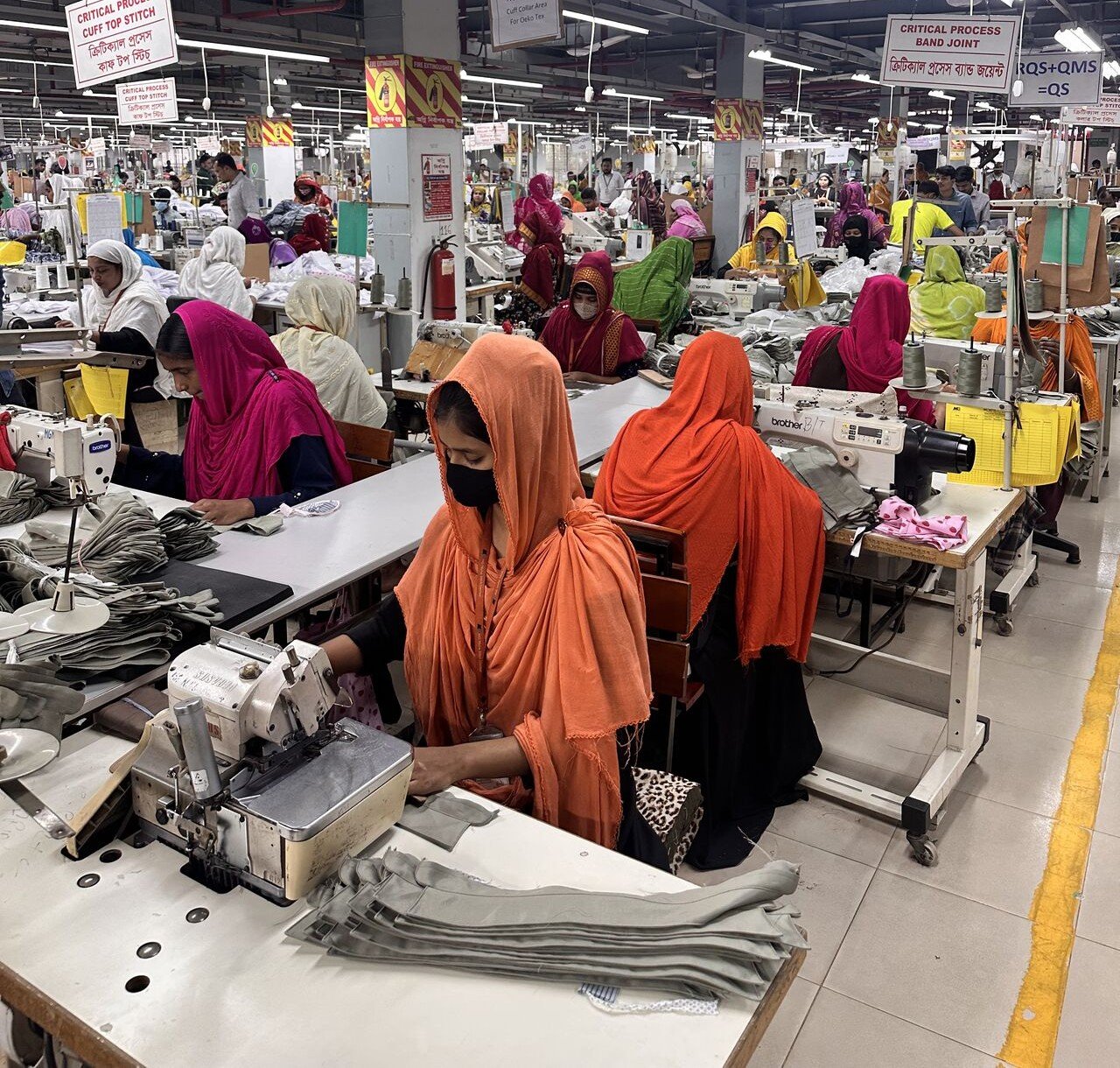
Dhaka, 1 November 2026: The government has begun setting up a new minimum wage board for the ready-made garment (RMG) sector, naming its first members after protests by workers in several industrial areas. The announcement came after garment workers protested in Dhaka, Gazipur and Savar on Saturday. Around 30 factories in Ashulia declared holidays as tensions rose.
The Ministry of Labour and Employment’s Wages Board Branch issued a notification on Sunday. Issued under sections 138(3)(a) and 138(3) of the Bangladesh Labour Act, 2006, it carries out the functions set out in section 139 of the law and appoints members to the Minimum Wage Board for the “garments” sector.
The notification names ABM Shamsuddin, a director of the Bangladesh Garment Manufacturers and Exporters Association (BGMEA), as the employers’ representative. Babul Akhter, general secretary of the Bangladesh Garments and Industrial Workers Federation (BGIWF), has been named as the workers’ representative.
Deputy Secretary Md. Mahbubur Rahman signed the notification on the President’s orders. Copies were sent to the chairman of the Minimum Wage Board, the Department of Labour, and the Department of Inspection for Factories and Establishments. The Bangladesh Forms and Publications Office was asked to publish it in an extraordinary gazette. The board’s chairman has been asked to take the next steps toward forming the full board with owner, worker and independent representatives.
The gap between the two sides is wide. The current minimum wage for garment workers is Tk 12,500 a month, while workers are demanding more than Tk 30,000. The IndustriALL Bangladesh Council (IBC) has also called for a minimum monthly wage of $260, citing higher living costs, market volatility, and rising spending on essentials, transport and healthcare. It also points to a 100 to 142 per cent pay rise for government employees, and says it will submit grade-wise wage proposals once the full board is formed.
A 2026 comparison of monthly minimum wages in major Asian garment and textile producers shows Bangladesh at the lower end. China’s minimum is $412 (a Shanghai regional figure), Cambodia’s is $210 for textile and garment workers, and Vietnam’s is $206. Bangladesh’s RMG minimum is about $101.
Factory owners say doubling wages is not feasible. They argue that international buyers are not raising prices while gas and electricity costs keep climbing. Workers counter that, at current wages, they cannot cover rent, food and school fees for their families.
Bangladesh's RMG sector employs about 4 million people and generates more than 80 per cent of Bangladesh’s export earning