As the Philippines prepares to host the 2026 ASEAN Summit, the President, his wife and his mother are backing Filipino fashion as heritage and soft power, treating the terno, the weave and the artisan as instruments of national identity.
TCF POST News Feature
MANILA – The Philippines is dressing for the world stage, and its leaders want the clothes to carry the country’s story.
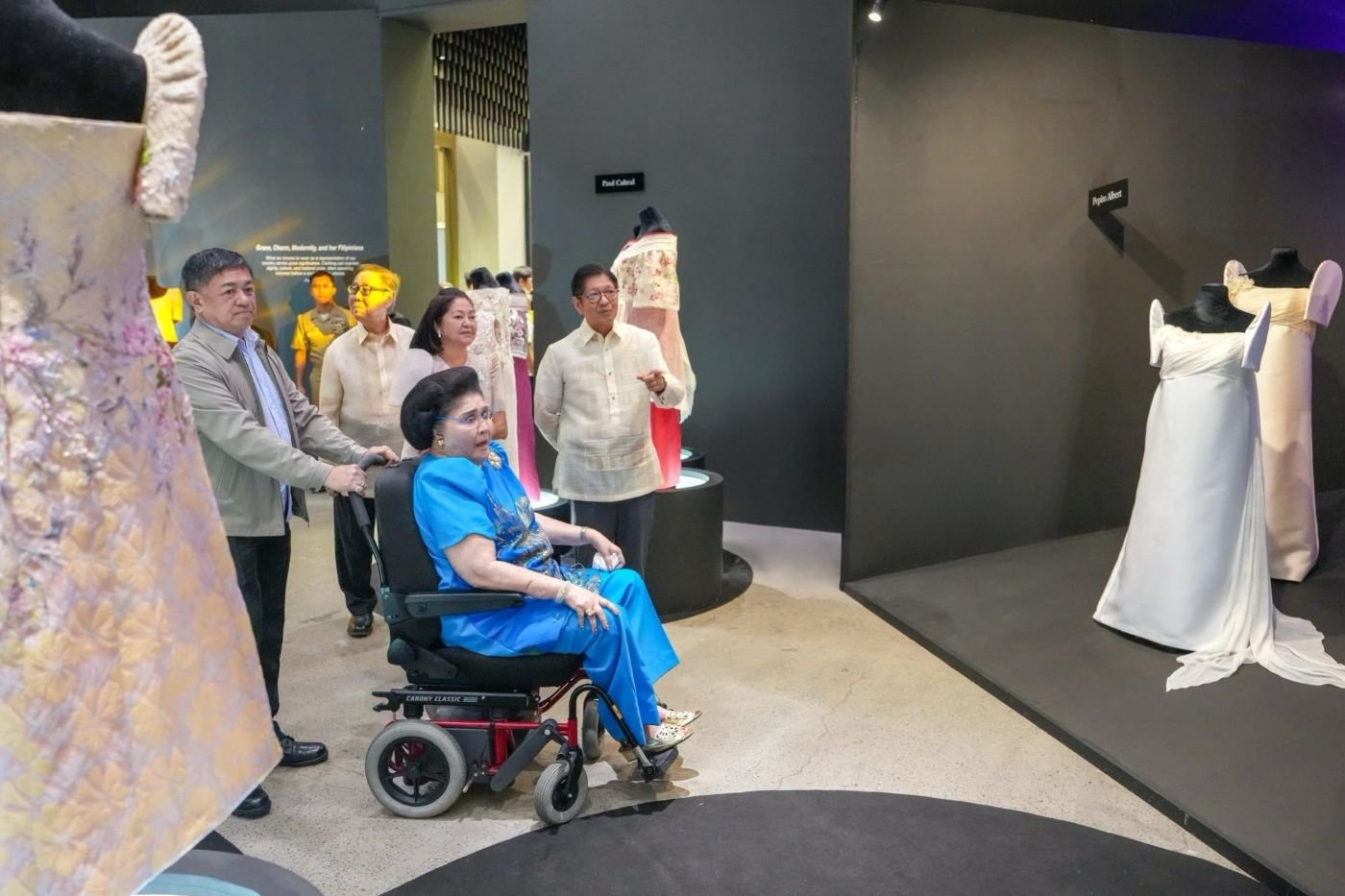
At the launch of Filipiniana: A Celebration of Filipino Fashion Heritage and Craftsmanship in Bonifacio Global City, Taguig, on Wednesday, President Ferdinand R. Marcos Jr. appeared alongside First Lady Liza Araneta-Marcos and his mother, former First Lady Imelda Marcos. The event presented fashion as a national project, with design, weaving and cultural pride backed by the Palace.
Two First Ladies, One Heritage
The image the Palace put forward was of a President flanked by two women who have shaped the look of Philippine power in different eras.
Imelda Marcos, First Lady from 1965 to 1986, remains among the figures most closely identified with Filipino formal dress. Her signature silhouette was the terno with its stiffened butterfly sleeves. Through her years in Malacañang, the national dress was a fixture of state occasions and diplomatic receptions, worn as a deliberate statement as much as fashion.
Marcos Jr. placed the two women side by side in his own post on the event:
“It is a great pleasure to celebrate our rich Filipino heritage alongside two remarkable women in my life—my mother, former First Lady Imelda Marcos, and my wife, First Lady Liza Marcos. Their shared appreciation for Filipino fashion and tradition has helped bring greater recognition to the talent, creativity, and craftsmanship of our Filipino designers and artisans.”
He framed the book as “a tribute to the artistry behind our traditional attire, the richness of our culture, and the pride we take in sharing our national identity with the world.” He closed with a call to the public: “May we continue to take pride in the traditions that make us uniquely Filipino and in the remarkable talent of those who preserve and carry them forward.”
Fashion With a Diplomatic Mission
The publication has a clear external purpose. According to the Presidential Communications Office (PCO), it “brings greater visibility to the craftsmanship behind Filipino fashion, showcasing how traditional artistry and contemporary design come together to express the country’s national identity.” The PCO added that it “also highlights the role of cultural heritage in diplomacy as the Philippines prepares to welcome leaders from across the region for the 2026 ASEAN Summit.”
The PCO’s wider message was that artisans deserve more recognition than they get. “Beyond fashion, every Filipiniana ensemble carries stories of Filipino creativity and the rich heritage that the country can proudly share with the world,” it said.
At the event, the President recognized the First Lady’s appreciation for Filipino fashion and heritage, as well as the talents of the creatives behind each ensemble. He urged Filipinos to take pride in their traditions and to support local talent carrying Philippine culture and artistry to the global stage.
The Makers Speak
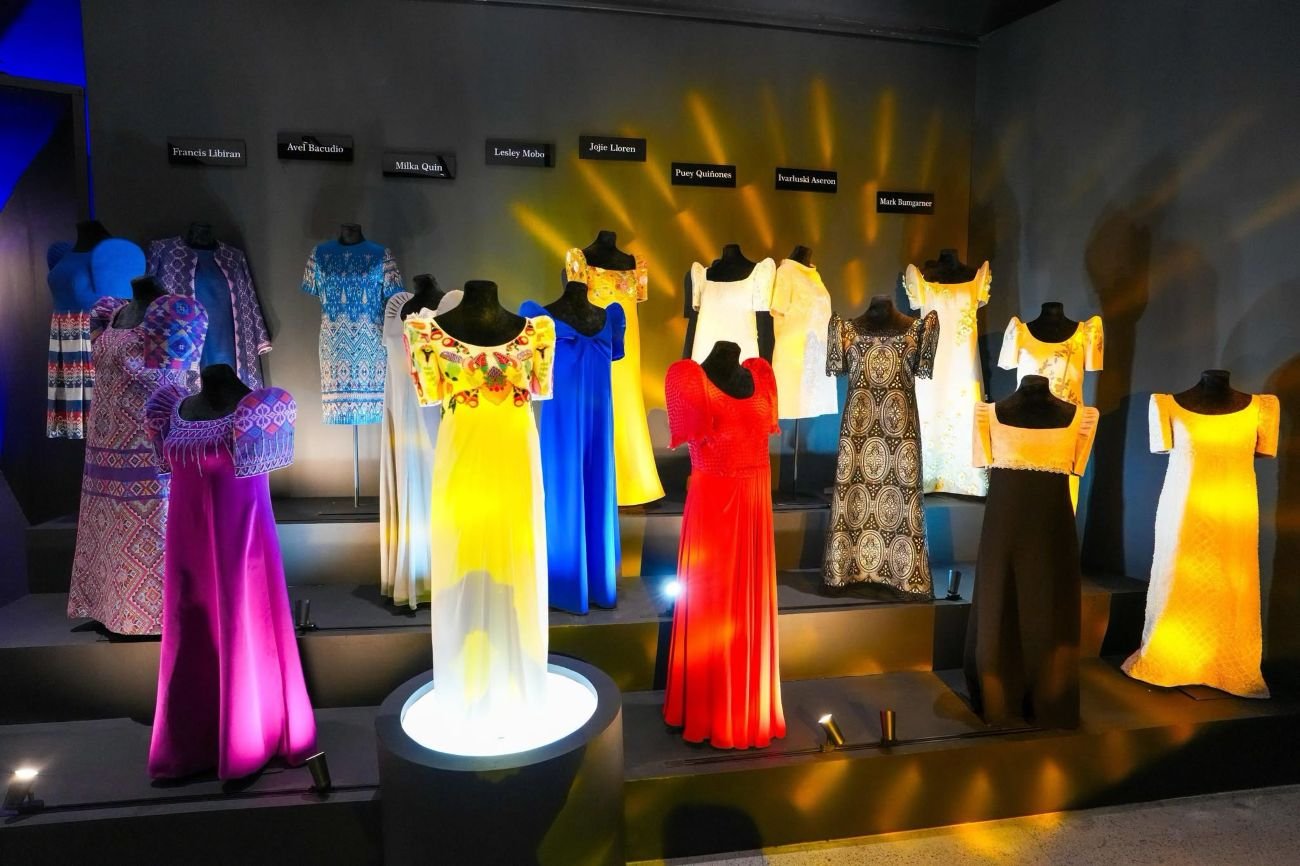
The book features designers Michael Leyva and Paul Cabral, creative director Patrick Rosas and other Filipino creatives and artisans. Their remarks showed what is at stake behind the pageantry.
Rosas said the book is meant to be a record: “I want to show this here to preserve the history, to archive it, and for future generations.”
Cabral spoke most directly about the supply side of heritage, the weavers who make the cloth. “Kasi syempre kung nakakaedad na yung dating mga gumagawa, dapat maipasa nila para magtuloy-tuloy,” he said, which in English means the older generation of artisans must pass on their skills so the tradition continues, because it represents the country. He also credited the First Lady’s initiatives with helping revive interest in the local weaving industry.
Leyva, who has dressed the First Lady, described the experience as a dream for a young designer and cited her simplicity and elegance. He expressed gratitude for the opportunities extended to Filipino designers and weavers, saying her support gives them a platform to showcase the country’s textile heritage. He also stressed the importance of supporting weaving communities across the Philippines to preserve traditional craftsmanship and promote national identity.
Ambition Meets Capacity
The message from the launch was that heritage is an asset to be organized, documented and exported. The book archives the work, the First Lady’s advocacy gives weavers visibility, the designers translate tradition into contemporary dress, and the ASEAN Summit offers a global audience. As Cabral’s remarks make plain, none of it holds without the next generation of weavers.
For a region where textiles and garments are central to livelihoods, that last point matters most. Whether the attention becomes lasting demand for handwoven cloth, and income for the communities producing it, is the test that follows the book launch.