

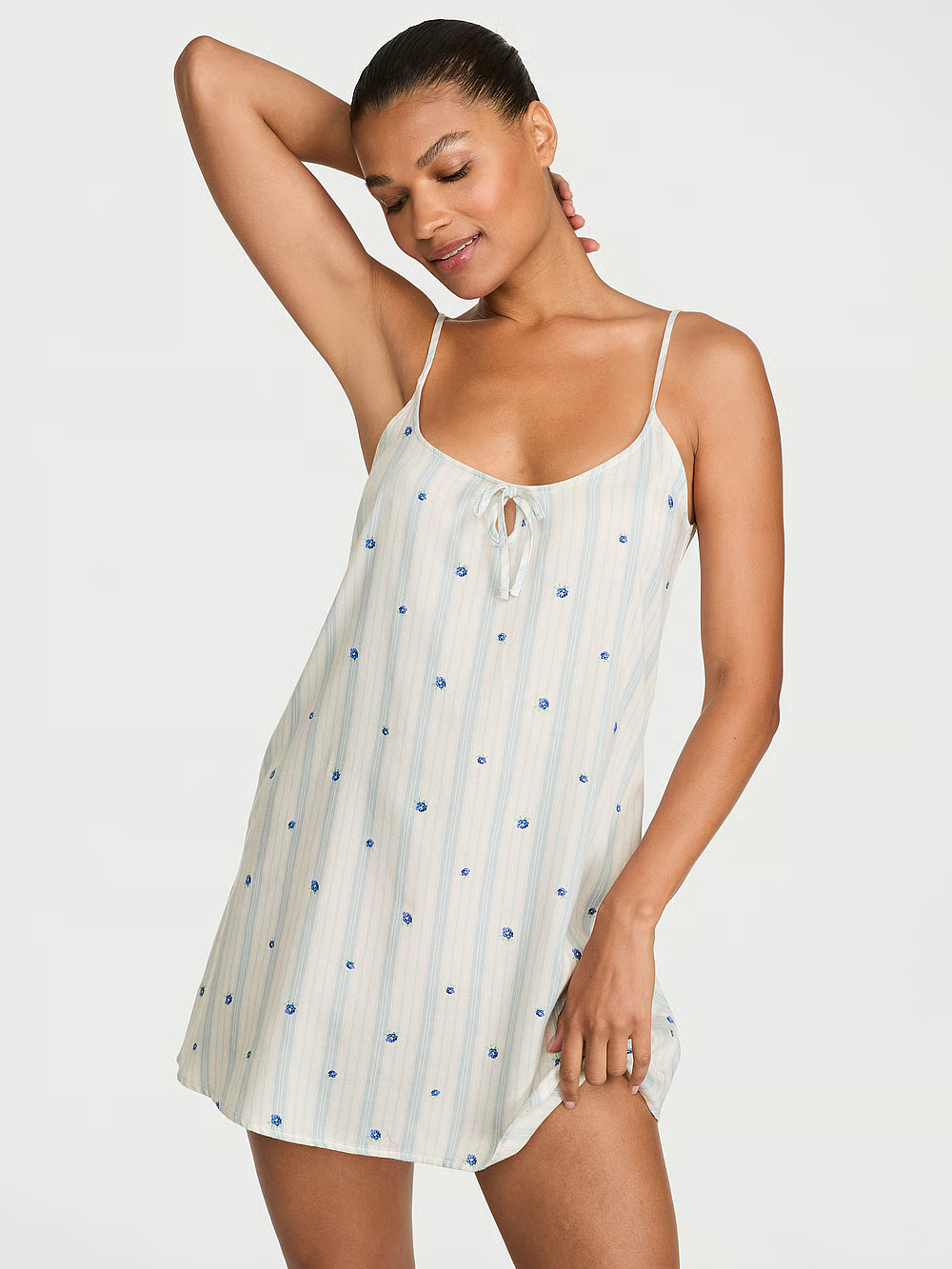
NEW YORK, NY — The global sleepwear industry is undergoing a transformative shift, evolving from simple functional nightwear into a sophisticated lifestyle category.
Driven by a newfound consumer focus on wellness, comfort, and sustainable fashion, the market is projected to reach USD 39.29 billion by 2035, growing at a steady CAGR of 9.61% from its 2025 valuation of USD 15.7 billion, according to a Market Research Future report.
The Evolution of Fashion Trends: From Nightwear to “Day-to-Night”
The traditional boundaries of sleepwear are blurring. Modern consumers are increasingly demanding multifunctional garments—pieces that transition seamlessly from remote work settings to casual evening lounging.
- The Rise of Loungewear: Designers are prioritizing aesthetics, leading to the development of coordinated sets, stylish robes, and elevated sleep shirts that function as lifestyle apparel.
- Aesthetic Innovation: Brands are moving beyond basic designs, incorporating seasonal color palettes, designer collaborations, and fashion-forward cuts that resonate with younger demographics and social media-influenced buyers.
Production and Sourcing: The Green Revolution
As environmental consciousness becomes a core consumer value, the production and sourcing landscape of the sleepwear market is undergoing a major overhaul. Manufacturers are moving away from traditional processes to embrace a more ethical and sustainable supply chain.
Sustainable Material Sourcing
Material selection has become the primary battleground for brand differentiation. Companies are aggressively pivoting toward:
- Eco-Friendly Fibers: Increased reliance on organic cotton, bamboo, and recycled polyester.
- Green Manufacturing: Adoption of eco-friendly dyes and processes that minimize water usage and chemical waste.
- Performance Tech: Integration of smart textiles, including moisture-wicking, antimicrobial, and temperature-regulating materials, to meet the needs of health-conscious consumers.
Digital Transformation in Supply Chains
Leading industry players—including Hanesbrands Inc., Gap Inc., and Victoria’s Secret—are leveraging technology to optimize their production cycles.
- Data-Driven Design: AI and predictive analytics are now used to manage inventory and forecast trends, reducing waste by aligning production closer to real-time consumer demand.
- Direct-to-Consumer (DTC) Models: By shifting toward digital retail, brands are gaining greater control over their supply chains, improving margins, and fostering direct relationships with global audiences through personalized marketing.
Regional Market Outlook
While North America and Europe continue to dominate the market share through high consumer spending and stringent sustainability standards, the Asia-Pacific (APAC) region is positioned as the primary growth engine for the next decade. Rapid urbanization and a burgeoning middle class in countries like India, China, and South Korea are fueling a surge in demand for international sleepwear brands and premium, functional apparel.
As the industry looks toward 2035, the intersection of wellness, high-end design, and sustainable production will remain the defining characteristic of the sleepwear sector. Brands that successfully balance fashion innovation with ethical sourcing are expected to capture the largest share of this expanding global market.