

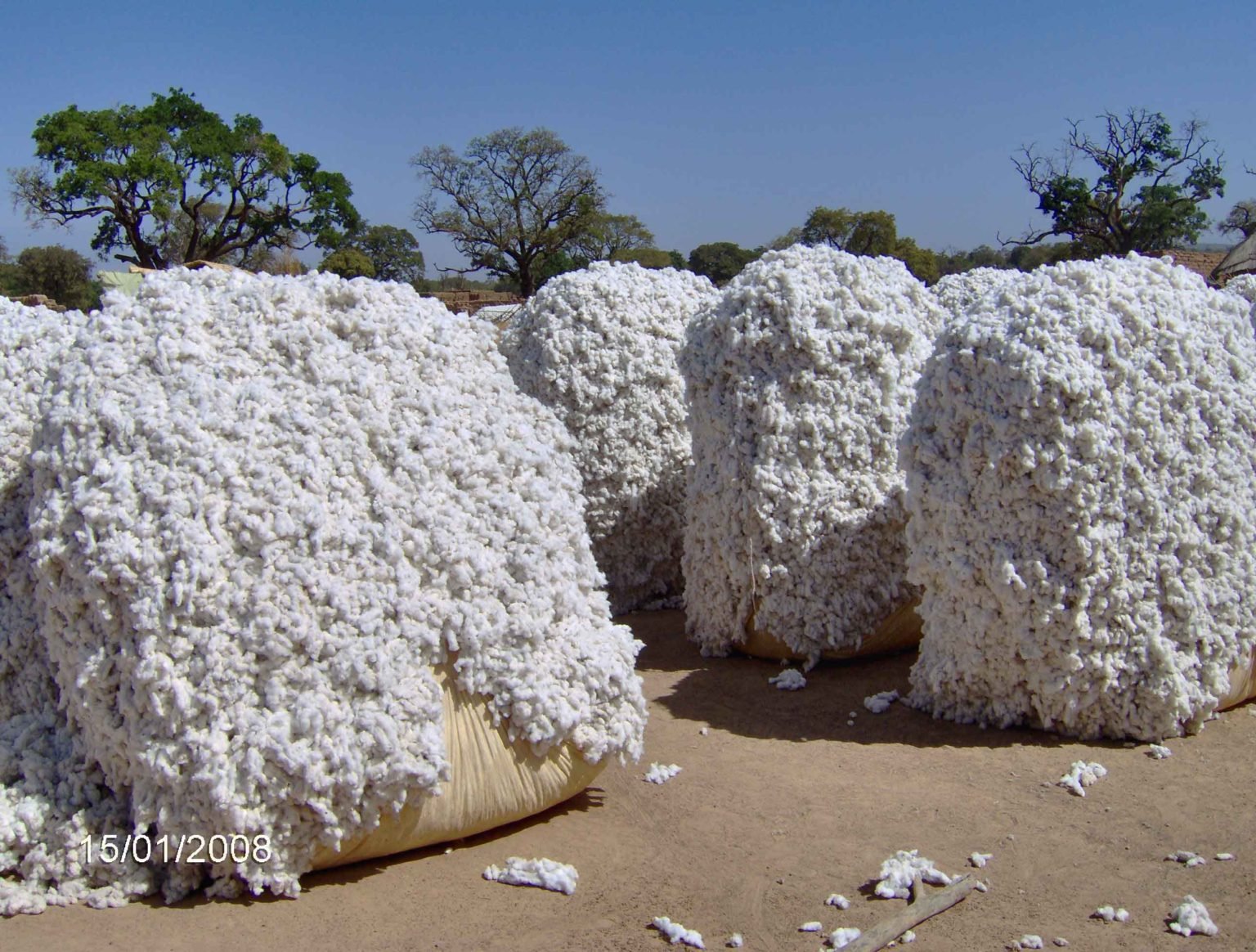
For decades, the global trade of West African cotton has followed a well-worn, asymmetric path: raw fiber harvested by smallholder farmers in landlocked nations like Burkina Faso is sold to major international trading houses, which capture substantial commercial margins before reselling the lint to spinning mills across Asia and Europe.
Now, Burkina Faso’s primary cotton entity—the Société Burkinabè des Fibres Textiles (SOFITEX)—is mounting an ambitious global effort to dismantle this middleman-dominated model.
Handling roughly 80% of Burkina Faso’s total cotton production, SOFITEX is actively pursuing direct sales relationships with end-user spinning mills worldwide. The initiative aligns directly with the sovereign economic agenda of Burkina Faso’s highest national authorities: retaining maximum value locally, increasing national export revenues, and directly improving the living conditions of more than 350,000 smallholder cotton farmers.
India as the Strategic Launchpad
As part of this broader international push to bypass commercial brokers, a high-level delegation led by SOFITEX Director General Comrade Braïma BARRO, alongside Commercial Director Comrade OUATTARA Abu Backr Sidik Hema and Comrade Idrissa OUEDRAOGO (promoter of IROTEX), recently targeted the Indian market.
The delegation attended Bharat Tex 2026, India’s premier international textile trade show in New Delhi, to market Burkinabe cotton directly to end-users and build lasting commercial partnerships.
While India is the world’s second-largest cotton producer, its massive textile manufacturing sector relies heavily on foreign lint, importing nearly $2.2 billion worth of cotton lint in 2025. Despite this vast demand, Burkina Faso has historically had little direct market penetration in Indian imports. In 2025, Burkina Faso earned $329.1 million from global cotton lint exports, but Indian mills bought almost none of it directly. Earlier, in 2022, India accounted for less than 1% of Burkina Faso’s total $466 million in lint exports.
During the Delhi expo, the SOFITEX delegation held direct negotiations with more than 20 Indian spinning companies, including major industry players such as Lahoti Overseas Limited, Royal Goraj Textile Services, Viterra India, and KAVERI.
These talks yielded immediate commercial momentum, producing purchase expressions and non-binding promises representing nearly 90,000 metric tonnes of cotton fiber. This volume equates to roughly 45% of Burkina Faso’s average annual cotton lint exports, demonstrating strong potential demand for African fiber when pitched directly to spinners.
In a further effort to expand Burkina Faso’s direct trade footprint across South Asia, Lahoti Overseas Limited offered to assist SOFITEX in organizing dedicated “Burkinabe Cotton Days” in Bangladesh—the world’s largest cotton importer—to pitch directly to Bangladeshi spinning hubs.
Navigating Global Competition & Boosting Output
India is the world’s second-largest cotton producer after China. Yet the country imported nearly $2.2 billion worth of cotton lint in 2025, making it the world’s fifth-largest importer by value after Bangladesh, China, Vietnam, and Turkey, according to Trade Map.
To establish a permanent direct presence in major industrial markets like India, Burkina Faso must compete against entrenched global suppliers. In 2025, five key exporters—Brazil, the United States, Australia, Mali, and China—supplied nearly 70% of India’s imported cotton lint.
However, Burkina Faso’s direct-sales campaign comes at a time when the country is positioning itself for a sharp production rebound.
| Key Metric / Strategic Indicator | Value / Details |
| National Export Share | Cotton accounts for 60% of total export revenues |
| Local Processing Rate | 99% exported raw, with only 1% processed locally into yarn |
| 2025 National Lint Export Revenue | $329.1 Million |
| 2026/27 Target Output (Seed Cotton) | 532,000 Metric Tons (+69% rebound) |
| Previous Season Output (2025/26) | 314,293 Metric Tons |
The anticipated surge in cotton output makes securing direct, reliable export channels an urgent economic priority for SOFITEX to absorb surplus fiber.
Modernizing Upstream Production: The PARIJAT Partnership
Securing higher export prices through direct trade is only half of SOFITEX’s global strategy; stabilizing on-farm yields against climate and pest risks is equally crucial. The SOFITEX delegation concluded strategic talks with India’s PARIJAT GROUP, a specialist in pesticides, biostimulants, and crop anti-stress products.
Key Framework of the PARIJAT Agreement
- 100,000-Hectare Pilot Program: PARIJAT proposed providing full technical oversight and agronomic guidance for a large-scale pilot starting in the upcoming season.
- On-Ground Field Support: Deployment of specialized Indian engineers to assist SOFITEX teams and build local capacity for crop monitoring.
- Targeted Input Technology: Field evaluation of root activators, growth regulators, biostimulants, and anti-stress solutions engineered for resilient performance in West African soil conditions.
- Financial Cash-Flow Relief: Introduction of an innovative input supply mechanism structured to ease SOFITEX’s operational cash-flow requirements during procurement cycles.
The Broader Economic Horizon
Cotton farming in Burkina Faso relies heavily on smallholder, rain-fed agriculture involving:
- 250,000+ Smallholder Agricultural Holdings
- 350,000+ Active Cotton Farmers
- 3,000,000+ Citizens directly or indirectly supported by the sector
While 99% of raw fiber is shipped to foreign spinning mills, local by-products (such as cotton seed) remain vital domestically, supplying local oil mills for cooking oil extraction, soap manufacturing, and livestock feed.
By simultaneously upgrading field-level technology through international partnerships and cutting out commercial intermediaries in major buying hubs, SOFITEX is working to reshape Burkina Faso’s position in the global trade architecture—turning “white gold” into a more sustainable engine for national economic development.