

TCF POST Report
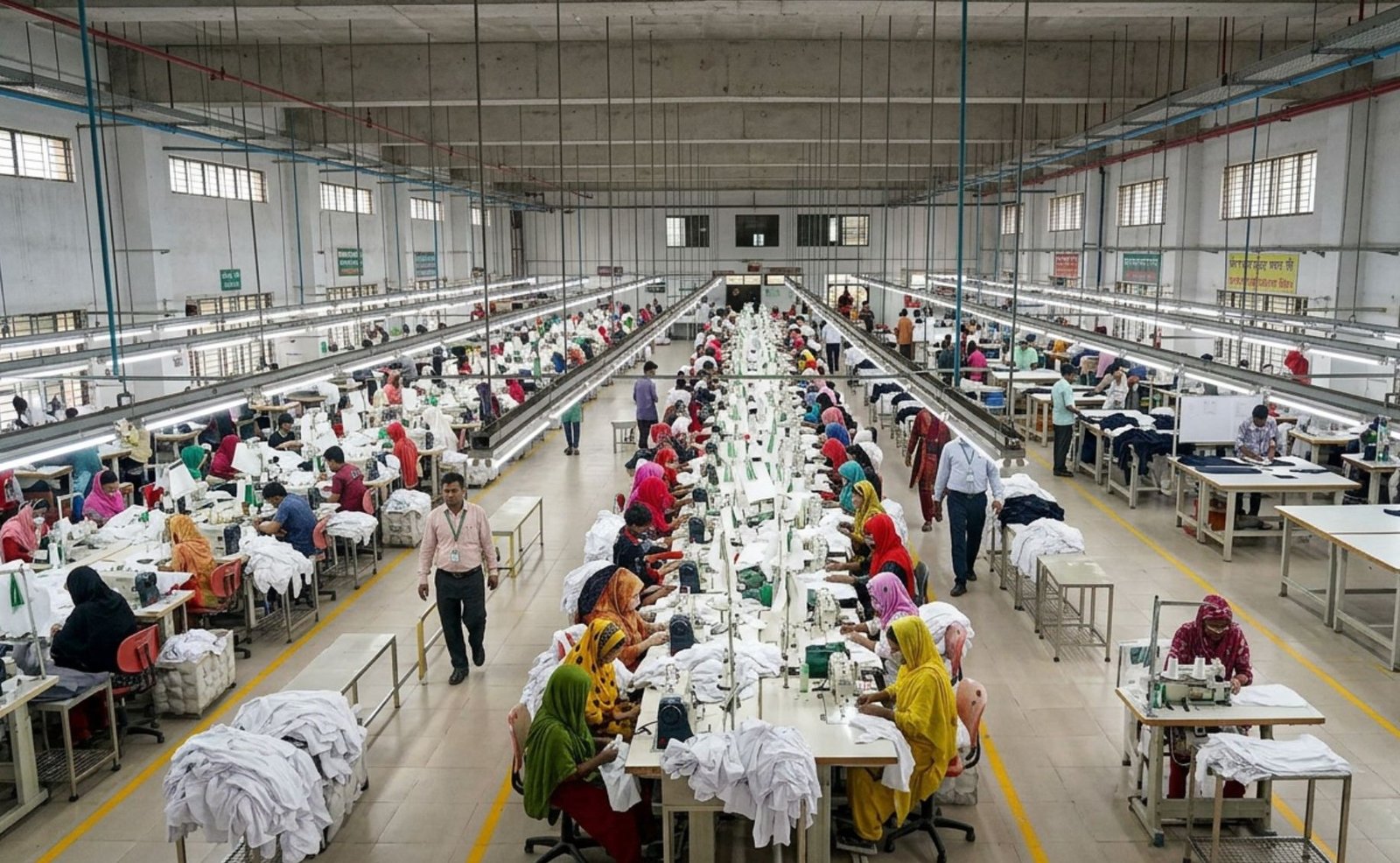
A new research report by Switzerland-based Public Eye has revealed that European fashion brands haven’t raised supplier prices in line with inflation for 25 years. The report states that these sourcing strategies and practices by brands and retailers have caused a worker safety crisis in Bangladesh.
The Public Eye report, titled “Squeezed Dry: Pricing pressure in the global fashion industry,” draws on long-term trade data, company-specific sourcing information, and interviews with merchandisers and factory managers in Bangladesh.
It unveils a clear pattern: while inflation and living costs have risen sharply, sourcing prices have barely increased—and in real terms, they have declined. The findings help explain the real cost of a cheap T-shirt and the economic choices behind it.
As buyers have chased ever-lower prices, the production of basic items has become increasingly concentrated in low-cost hubs, with Bangladesh emerging as the dominant supplier. The Public Eye report noted:
“In 2025, the average EU import price stood at just USD 16 (EUR 14.15) per kg, while import prices from Bangladesh, the EU’s main supplier, were even lower at around USD 13 per kg.”
Between 2001 and 2025, the world economy grew by an average of around 3% per year, and global inflation caused average household living costs to more than double. In contrast, long-term data for EU T-shirt imports display only a meager nominal purchasing price increase of 0.9% per year during the same period.
“When adjusted for EU inflation… the real price erosion is −1.4% per year,” the report noted. “The EU buyers today pay roughly a quarter more for cotton T-shirts sourced abroad than they did 25 years ago. But in real terms, they are paying 30% less.”
The report further pointed out: “When adjusted for global inflation, the decline in real sourcing prices deepens to −3.1% per year, meaning that average sourcing prices have fallen by roughly half in real terms. This reflects a deliberate competitive reliance on ultra-low-price points in mass-market apparel.”
Public Eye, which conducts critical analyses of the impact Swiss and European companies have on poorer countries, did not name specific brands. However, it examined the sourcing practices of brands and retailers that collectively set the price level for the majority of global garment production.
The report suggests that if the sector is serious about human rights, ensuring a just transition, fairer employment relations, and stable industrial development, the sourcing price curve must finally turn upward.
“Higher prices are not a matter of generosity but a structural prerequisite for decent work, safe workplaces, and environmentally responsible production,” the report concluded. “Equally essential is the fair sharing of added value along the chain – and between capital, labor, and the state.”
In a statement accompanying the Public Eye release, Kalpona Akter, president of the Bangladesh Garment and Industrial Workers Federation, emphasized the urgency of the situation: “Higher prices are needed for living wages, safe workplaces, and sustainable production.”