

TCF POST Report
BENTONVILLE, Ark., Aug. 20, 2026 — Walmart’s fashion business remained a bright spot within its U.S. general merchandise portfolio in the second quarter of fiscal 2027, despite slower overall comparable-sales growth.
Walmart U.S. general merchandise recorded low-single-digit comparable-sales growth, with fashion and toys leading sales strength. The retailer also reported a 130-basis-point increase in private-brand sales mix within general merchandise, although it did not separately disclose apparel sales or growth.
Overall, Walmart U.S. comparable sales increased 2.6% in Q2 FY27, compared with 4.6% in Q2 FY26. Comparable sales excluding health and wellness rose 3.4%. For the 13 weeks ended July 31, Walmart U.S. generated $125.2 billion in net sales, up 3.5% year over year, while eCommerce sales grew 24%.
Sam’s Club apparel delivers mid-single-digit growth
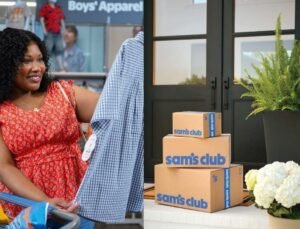
At Sam’s Club U.S., the combined Home and Apparel category posted mid-single-digit comparable-sales growth. Walmart cited strength in seasonal merchandise, hardlines, jewelry and fragrances, but did not provide a separate apparel growth figure.
Sam’s Club overall reported $25.7 billion in net sales, up 8.8%, with sales excluding fuel rising 4.5%. eCommerce increased 26%, while Member’s Mark sales grew at a mid-single-digit rate.
Walmart’s fashion business approaches $30 billion?
Coresight Research previously estimated Walmart U.S. clothing sales at $29.5 billion in 2024, highlighting the scale of Walmart’s fashion business. The estimate provides context for the latest results, although Walmart does not disclose a directly comparable apparel-sales figure in its Q2 FY27 earnings presentation.
The latest quarter therefore shows fashion continuing to perform relatively well within Walmart’s general merchandise business, while private-brand penetration is increasing. However, Walmart’s filing does not provide sufficient data to calculate an apparel-specific Q2 sales figure or compare individual clothing labels.
Overall, fashion was among the stronger areas of Walmart U.S. general merchandise, while Sam’s Club’s combined Home and Apparel category delivered mid-single-digit growth.