

TCF POST Analysis
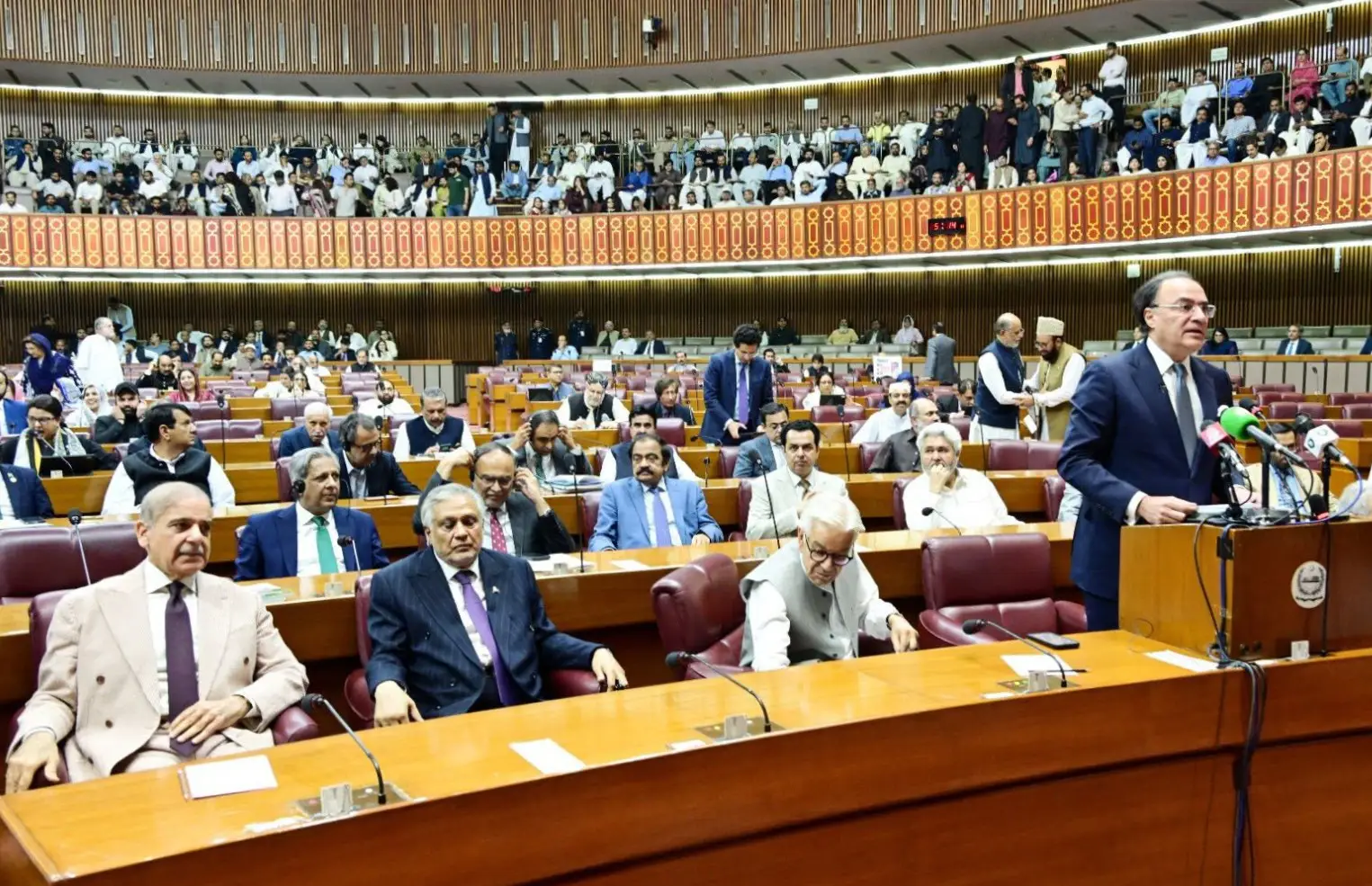
On June 12, 2026, Pakistan’s Finance Minister Muhammad Aurangzeb presented the federal budget for the fiscal year 2026-27.
Mr. Aurangzeb noted, “The key themes of this budget are export-led growth and creating an enabling environment for businesses”. The government has backed this commitment by earmarking approximately Rs71 billion for export financing subsidies.
The budget proposals garnered praise from major textile organizations, but industry stakeholders continue to emphasize that significant structural challenges persist.
Key Policy Adjustments for Exporters
The budget introduces several fiscal measures aimed at enhancing the competitiveness of the textile sector:
- Taxation: The levy on export proceeds has been reduced from 2% to 1.25%. The government has also abolished advance taxes and proposed the elimination of the super tax for all exporters.
- Operational Costs: The 0.25% Export Development Surcharge (EDS) has been removed, and customs duties on critical imported raw materials and intermediate goods have been lowered.
- Financing Enhancements: To improve working capital management, the markup rate under the Export Facilitation Scheme has been halved from 9% to 4.5%, and the Export Finance Scheme tenure has been extended from 9 months to 18 months.
- Subsidy Allocation: The government has earmarked approximately Rs71 billion for export financing subsidies to foster an enabling business environment.
Unresolved Industry Hurdles
Despite these concessions, several segments of the industry argue that the proposals are incremental and fail to address fundamental systemic barriers:
- Tax Certainty: The Pakistan Textile Council (PTC) is calling for the 1.25% turnover tax to be classified as a “final income tax” to align with regional standards and provide greater predictability.
- Support for Value-Added Sectors: The Pakistan Yarn Merchants Association has expressed that the current framework does not adequately support small and medium-sized enterprises (SMEs) or the value-added textile sector.
- Structural Reforms: Concerns remain regarding the existing duty structure. PHMA Chairman Saqib Goodluck noted that the budget overlooks essential reforms required to rectify long-term trade competitiveness issues.
While the 2026-27 budget claims a strategic pivot toward prioritizing exports, some stakeholders in the industry remain cautious, awaiting evidence that these measures will effectively mitigate the underlying challenges facing the sector.
Pakistan’s textile exports reached $18.22 billion during the first 11 months of fiscal year 2025-26 (July–May), marking a 10.43% year-on-year increase. Despite global demand pressures and high domestic production costs, the surge in growth was primarily fueled by significant growth in the knitwear, bedwear, and ready-made garments subsectors.
The textile sector contributes nearly 10% of the South Asian country’s GDP, more than half of its entire export earnings, and employs nearly one-fourth of the country’s industrial workforce.