

TCF POST Report
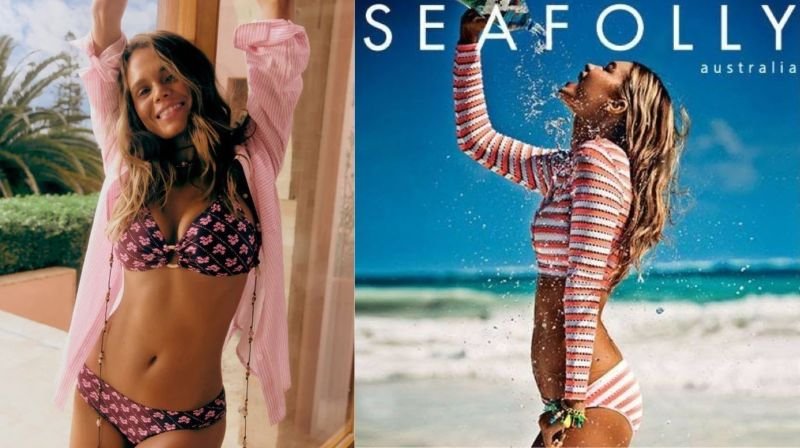
The word ‘Seafolly’ originates from the stand-out bikini garments that mermaids—who live in the sea—typically wear. Building on that playful heritage, the iconic Australian swimwear brand is now on a strong mission to expand its global network, bringing its creations within reach of customers worldwide and satisfying a growing passion for fashion and modern maillots.
Following recent retail openings in the United States and the UAE, the iconic Australian swimwear brand is now eyeing China, setting its sights on the lucrative Chinese market through the establishment of a new corporate office in Shanghai.
The move is designed to build a localized in-market presence to oversee operations, strategic partnerships, and brand development. According to company leadership, establishing a physical foothold in Shanghai will enable the label to connect authentically with consumers, with plans to roll out brick-and-mortar retail stores later this year.
Brand Mission and Strategic Vision
At its core, Seafolly’s corporate mission centers on bringing its signature Australian lifestyle aesthetic within reach of a global consumer base, satisfying a rising international passion for modern maillots and premium swimwear fashion. Backed by a localized ‘go-to-market’ strategy, the brand aims to make it seamless for Chinese consumers to discover, shop, and engage with the label.
To build early momentum ahead of its official physical retail rollout, Seafolly has already established a robust digital footprint across China’s key social commerce platforms, including Rednote (Xiaohongshu), Douyin, and Tmall. Early influencer partnerships and livestream marketing campaigns have reportedly yielded strong consumer engagement and positive sentiment.
“We’ve seen strong momentum across our global markets, and the appetite for premium Australian lifestyle brands in China continues to grow,” said Brendan Santamaria, CEO of Seafolly.
Market Opportunities
The timing of Seafolly’s Chinese expansion aligns with steady structural growth in the region. China’s domestic swimwear and beachwear market is currently valued at over USD 2 billion, with demand projected to expand at a compound annual growth rate of 8% through 2032.
This latest strategic push follows a broader wave of international growth that has seen the brand expand well beyond its domestic stronghold. Founded in Sydney, Seafolly opened its first international storefront in Singapore in June 2011. Today, the brand operates nearly 40 stores across Australia alongside roughly 15 international outposts, including a flagship entry in Newport Beach’s Fashion Island and subsequent retail locations across California, as well as recent footprints in the United States and the UAE.
Financial Trajectory and Corporate Backing
Financially, the brand has demonstrated resilience amid shifting regional retail currents. Filings with the Australian Securities and Investments Commission (ASIC) indicate that annual revenues rose to $80.7 million for the 12 months leading up to June 29, last year, up from $78.7 million the previous year.
While domestic Australian sales experienced a dip, this was offset by robust revenue gains across the United States and Europe. Under its current three-year financial strategy, total annual sales were forecasted to reach $129.7 million by the end of June 2026.
Ownership-wise, Seafolly sits within a well-capitalized apparel ecosystem. Hong Kong-headquartered Bondi Brands Group acquired the label in 2023 from its former owner, American private equity firm L Catterton.
Seafolly’s ultimate parent entity is apparel manufacturer Vision Brands Group, a portfolio holder that also manages prominent children’s brands such as Rock Your Baby, Skwosh, and Baby Dink carriers.
Industry Challenges
Despite strong macro tailwinds and aggressive global expansion, Seafolly and the broader apparel sector navigate a complex geopolitical and trade landscape. While the Chinese domestic market presents immense opportunities, the broader global manufacturing and export ecosystem faces persistent hurdles—notably ongoing tariff barriers in the United States.
At the same time, China remains an epicenter of global manufacturing, accounting for over 65% of global swimwear production and holding roughly a quarter of the worldwide market share. For an incoming premium label like Seafolly, balancing international supply chains, localized consumer preferences, and evolving trade frictions will remain a critical test as it seeks to capture market share in one of the world’s most competitive retail environments.